The making of $16,000 wheels: craftsmanship at its finest
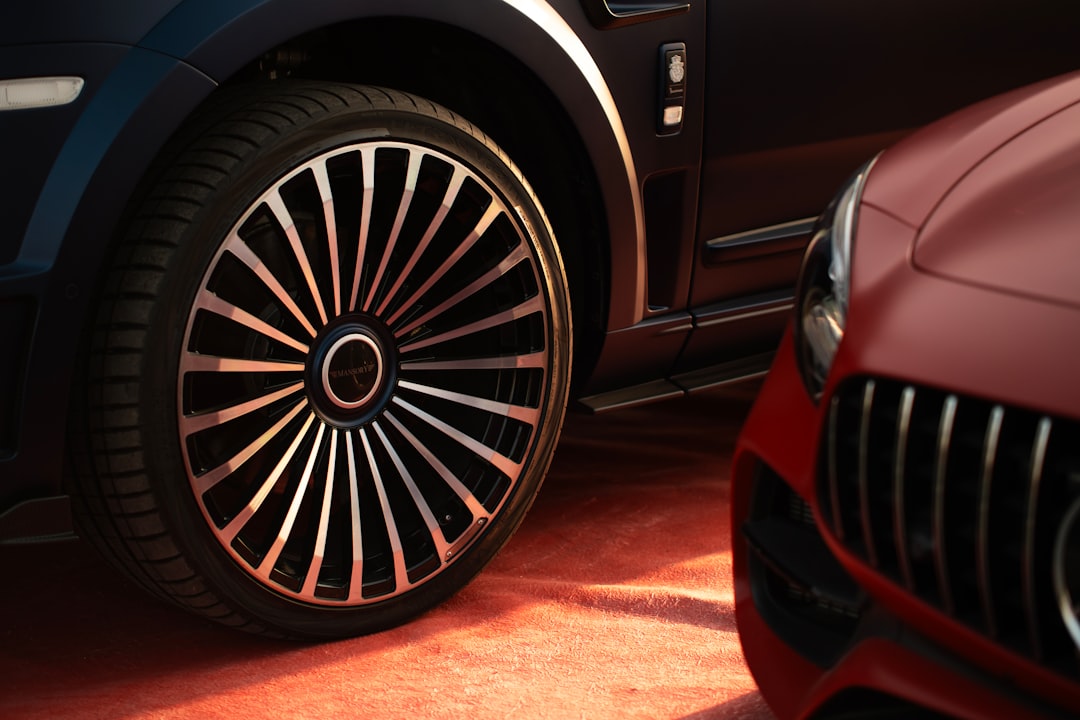
Car enthusiasts are paying $16,000 for HRE’s wheels. The manufacturing process, precision, and craftsmanship explain why these wheels are worth it.
Wheels are often called the shoes of a car—a fitting analogy when it comes to luxury vehicles where the wheels alone can cost as much as a compact car. For HRE, a renowned manufacturer of high-end wheels, quality, precision, and customization are hallmarks of their production process. But how does a set of HRE wheels justify a $16,000 price tag? Located in Vista, California, HRE’s facility provides a fascinating look into the intricate manufacturing of their two-piece and mono wheels.
The Foundation: Top-tier raw materials
At the heart of HRE’s wheels are raw forgings, the building block for their products. These are large, universal blanks of forged aluminum that can be machined down by removing as much as 85% of the material. This extensive reduction process demonstrates the company’s commitment to flexibility and precision at scale. According to the team at HRE, the raw forgings come in various sizes and configurations to accommodate their build-to-order model. Unlike mass-produced wheels that sit on retail shelves, every HRE wheel is made specifically for the customer’s desired specification.
Three types of wheels and their purpose
HRE creates mono-piece wheels, two-piece wheels, and three-piece wheels, each suited to different needs. Mono wheels are the strongest and most durable, crafted from a single forged blank. Three-piece wheels allow for the highest level of customization but are generally the weakest structurally. Two-piece wheels strike a balance—offering strength comparable to mono wheels while also providing considerable customization options. It is this two-piece design, offering the best of both worlds, that customers tend to favor for high-end cars such as the Porsche 992.
Precision machining: The backbone of strength
The journey of an HRE wheel begins with the vertical lathe, a vital part of shaping the face of the wheel. This process involves machining both sides of the wheel blank systematically. The first cuts define the cross-section, a crucial element to ensure the wheel remains strong under load. The precise thickness of each wheel’s cross-section is calibrated to meet performance objectives, especially for high-performance vehicles. Each extra millimeter impacts the wheel's strength dramatically, underscoring why accuracy is paramount.
In HRE’s facility, the milling process takes center stage once the lathe work is completed. Here, CNC machines sculpt the wheel’s intricate design. Depending on the complexity of the wheel’s aesthetics, this step can take anywhere from three to ten hours per wheel. Designs featuring simple, straight cuts finish relatively quickly, but more intricate patterns take significantly longer due to their subtle curves and intricate detailing.
While operators are cross-trained in different tasks, specific machinists handle either the lathe or the milling machines. The precision required is so high that HRE extensively trains its workforce, often bringing staff from unrelated disciplines, such as powder coating, into machinery roles.
Quality control: Consistency and repeatability
Once a wheel’s face has been milled to perfection, the next step is rigorous quality assurance. Each wheel is evaluated to ensure adherence to design specifications, using a digital database to compare the product against historical data. This high-tech tracking system ensures that if a wheel needs to be replaced years later, HRE can replicate it precisely down to the millimeter, based on its original data. Critical parts, like the hub bore, undergo particularly stringent measurement checks as any deviation could compromise safety.
Finishing touches: Craftsmanship meets technology
If there’s one area where HRE prides itself, it’s the hand-finished details. After strict machining, the wheels move to the finishing stage, where skilled technicians take over. One signature technique is HRE’s hand-brushing method, performed at a 90-degree angle compared to common industry practices. Although this unique method is harder to achieve, the result is a visually striking texture that resonates with customers seeking exclusivity.
For high-polish finishes, the wheels go through a multi-step tumbling process featuring ceramic polishing media. This ensures the tiniest design details remain intact while delivering a mirror-like shine. HRE offers several finish options, with their labor-intensive techniques adding significantly to their products’ premium price point.
Assembly, cleaning, and powder coating
After finishing, the wheels undergo thorough cleaning to remove any residue lingering from machining or polishing. Clean surfaces are imperative for proper powder coat application, which protects the wheel and enhances its aesthetics. HRE applies the powder coats in custom booths before baking them to ensure a flawless finish.
The final assembly checks are meticulous. Each set of wheels is inspected for issues such as improper assembly bolts or finish inconsistencies. Operators like Robert, one of HRE’s lead assembly technicians, perform visual inspections and match the product with the paperwork before assembling the final component. Once the wheels pass these final hurdles, they are carefully prepared for shipping to ensure no damage occurs in transit.
What makes HRE wheels worth the price?
HRE’s commitment to excellence is demonstrated in every step of the process. From high-quality raw materials to precision engineering and hand-crafted finishing techniques, the attention to detail is unrivaled. Owning a set of these wheels isn’t just about purchasing functionality; it’s about investing in high-performance engineering, artful design, and durability tailored uniquely to each customer.
HRE’s $16,000 two-piece wheels for the Porsche 992 exemplify why custom wheels are more than just a commodity. They are a testament to meticulous craftsmanship, robust production techniques, and a dedication to setting industry standards higher. Performance vehicles deserve performance parts, and with HRE, car owners can trust they’re getting the best that money can buy.
Staff Writer
Nina writes about new car models, EV infrastructure, and transportation policy.
Comments
Loading comments…


