The Rise and Fall of Electric Vehicles in the 1900s: A Historical Overview
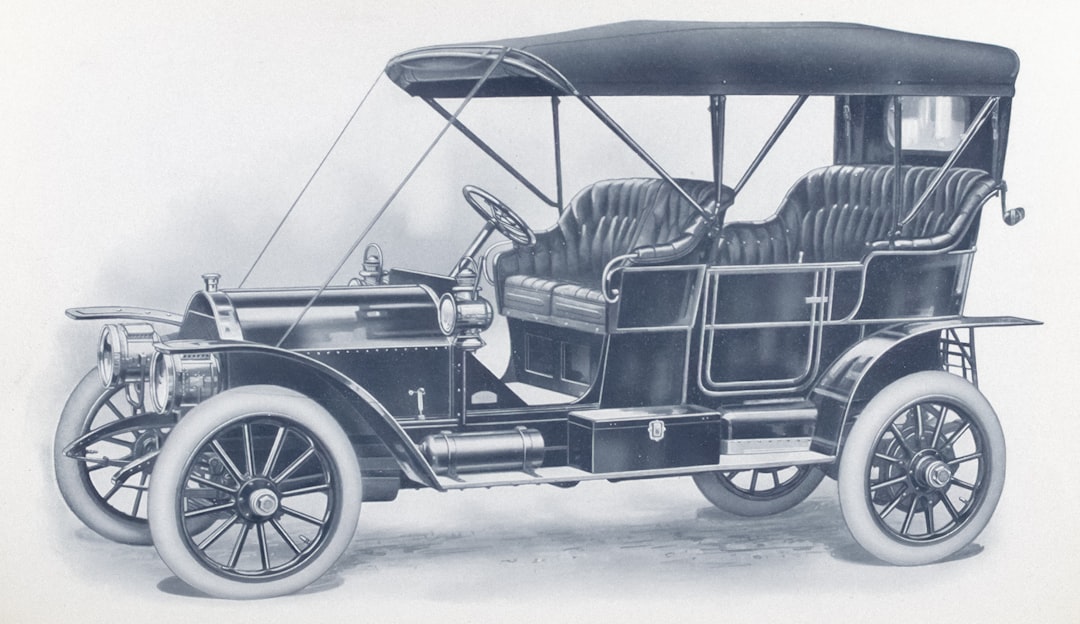
Electric vehicles dominated early 1900s transportation, accounting for a third of all vehicles before the rise of gasoline-powered cars.
Electric vehicles (EVs) might be widely recognized today as a solution for reducing dependence on fossil fuels, but their roots stretch back much further in history. In fact, the late 19th and early 20th centuries witnessed what could be called the “golden age” of electric vehicles. With significant market share and popularity during this time, EVs once competed toe-to-toe with their gasoline-powered counterparts before ultimately fading into history—for a while.
The Birth of Electric Vehicles
The first practical electric vehicle was developed in the 1880s by an American chemist named William Morrison. This initial creation wasn’t a slick sedan; it was a simple wagon equipped with an electric motor that hinted at the potential for cleaner, quieter transportation. The design, while rudimentary, showed promise in its ability to replace horse-drawn carriages, which were noisy, labor-intensive, and generated waste. Morrison’s invention set the groundwork for a revolution in personal transportation.
The Golden Age: EV Dominance in the 1900s
By the early 1900s, electric vehicles gained considerable traction. Quiet, easy to operate, and perceived as less polluting, they became the vehicle of choice for many urban dwellers. Unlike gasoline cars, which could be messy to refuel and required manual cranking to start, EVs were seen as modern marvels of convenience.
According to the video, by the 1900s, electric vehicles accounted for one-third of all automobiles on the road. This high adoption rate made sense in cities where short distances and relatively flat roads made their limited range a manageable drawback. At this time, gasoline-powered vehicles were still evolving, and the infrastructure to support them—such as gas stations—was in its infancy.
Electric-powered taxis began to populate major cities, and wealthy individuals purchased EVs for personal use. They were especially popular among women of the time, as electric cars were easier to drive than their noisy and physically demanding gasoline counterparts.
The Decline: The Rise of Gasoline Cars
Despite their early success, the 1900s were not the era to solidify electric vehicles’ dominance. By the 1920s, the tide had turned decisively toward gasoline-powered cars. Two major developments are highlighted in explaining this shift:
-
Henry Ford’s Model T: The advent of the Ford Model T in 1908 marked a turning point in automotive history. As the first mass-produced automobile, it dramatically lowered the cost of owning a gasoline-powered car. By introducing assembly line production, Ford made cars accessible to a much broader audience than ever before, including working-class families. Suddenly, EVs—more expensive to manufacture and purchase—faced stiff competition.
-
The Discovery of Oil in Texas: Texas experienced a major oil boom in the early 20th century. Cheap and abundant petroleum supplies made gasoline widely available and affordable, eliminating one of the barriers to the mass adoption of internal combustion engines. As gasoline prices fell and refueling infrastructure expanded, the convenience of gas cars surged.
By the 1930s, electric vehicles had almost entirely disappeared. Gasoline cars and their longer range, higher speeds, and declining costs were simply better suited to the needs of growing suburban America.
The 1970s: A Brief Resurgence of Interest
Electric vehicles remained largely dormant for decades, but they made a brief comeback in the 1970s. This resurgence was triggered by a global gasoline shortage and heightened awareness of the vulnerability of fossil fuel dependence. However, the EV technology of the time had not kept pace with advancements in gasoline-powered cars. Limited range, low speeds, and underdeveloped batteries kept interest in electric vehicles relatively low.
Unlike their prominence in the 1900s, EVs in the 1970s were seen as a niche solution rather than a mainstream option. It would take decades of continuous technological advancement for electric vehicles to return to the roads in significant numbers.
Lessons from the Rise and Fall of Early Electric Cars
Electric vehicles in the 1900s offer valuable lessons about the interplay of technology, economics, and infrastructure in the adoption of new innovations. Early EVs succeeded because they addressed immediate needs for quiet and convenient urban transportation. However, the lack of range, high costs, and limited production capacity left them vulnerable to disruption by cheaper, faster gasoline-powered alternatives.
Today’s electric vehicle market faces its own challenges but learns from these historical lessons. Advances in battery technology, government incentives, and global concerns over carbon emissions aim to address the shortcomings that once led to their decline.
As we drive into the future, it’s worth reflecting on how the golden age of electric vehicles in the 1900s mirrored their potential to become a dominant force in the modern automotive industry.
Staff Writer
Nina writes about new car models, EV infrastructure, and transportation policy.
Comments
Loading comments…


