This EV charges in under 9 minutes — the fast-charging war is here
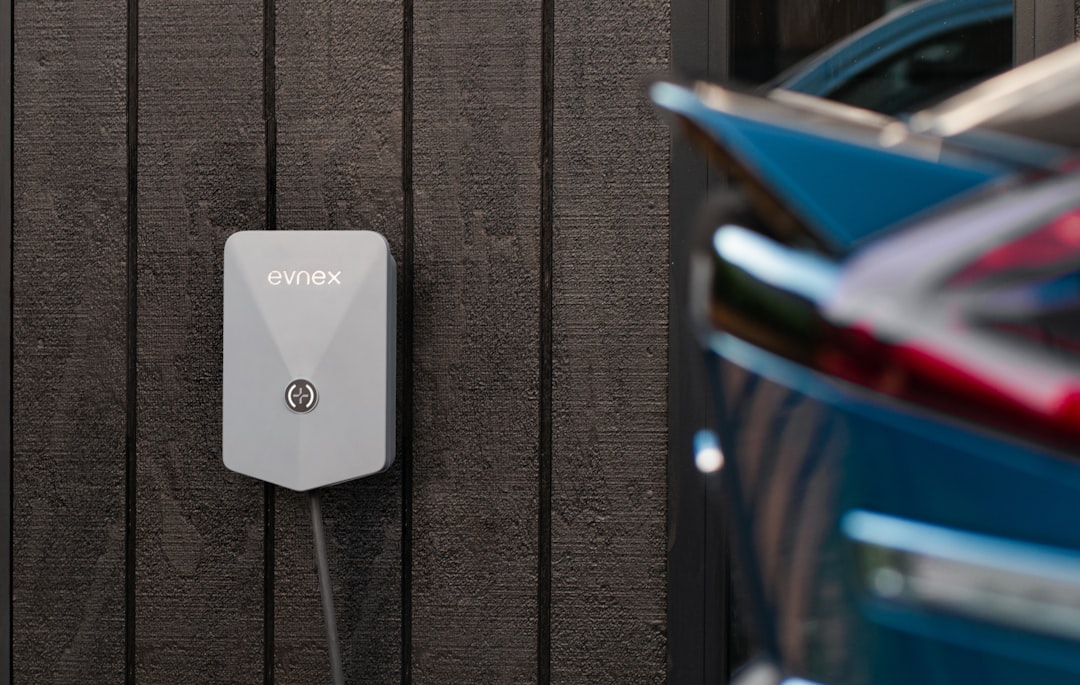
A new electric vehicle boasts a charging time under 9 minutes, redefining EV convenience and stepping up the competition in the fast-charging race.
Long charging times have long been a hurdle for electric vehicle (EV) adoption, often overshadowing concerns about driving range. But the recent introduction of an EV that charges nearly to full in under nine minutes could significantly shift consumer perceptions and upend the competition in the EV market.
While range anxiety once topped the list of buyer concerns, advancements in battery technology have largely eased worries about how far an EV can go on a single charge. Time anxiety, or the inconvenience of long charging sessions, has become the new sticking point for many would-be EV buyers. A vehicle that slashes charging time to under 9 minutes doesn’t just challenge the status quo—it changes the psychological equation entirely.
Why a 9-Minute Charge Matters
Filling up a traditional gasoline car often takes 10-15 minutes when you include time spent at the pump, waiting in line, or grabbing a coffee. By dropping EV charging times below that threshold, the perception that electric vehicles are more inconvenient than their internal combustion counterparts could evaporate.
The nine-minute charging mark is more than just a technological achievement. It directly addresses a key objection from buyers who are hesitant to make the switch to electric mobility. The hesitation isn’t about whether an EV can complete a road trip; it’s about whether that trip will be enjoyable instead of an exercise in frustration. With this kind of fast-charging capability, charging stops would become comparable—or faster—than a typical gas station experience.
How We Got Here: Fast-Charging Wars
Fast-charging technology has been improving steadily, but this new benchmark accelerates the timeline dramatically. To put this milestone in context, most current EVs require between 20 to 40 minutes to charge from 10% to 80% capacity at the fastest available charging stations, such as Tesla’s Superchargers or Electrify America’s network.
The introduction of a sub-nine-minute charging vehicle represents a leap forward, not only in hardware and battery chemistry but also in charging infrastructure. However, scaling this technology to all major EV manufacturers and ensuring compatible charging stations everywhere will be critical for widespread adoption.
Implications for Automakers
For legacy automakers still pivoting toward EVs, the pressure is mounting. If one manufacturer can roll out ultra-fast-charging EVs at scale, every other company will face intense pressure to match these performance benchmarks. Consumers are unlikely to be impressed with 30-minute charge times when another option charges in the time it takes to order coffee.
Ultra-fast charging could become what air conditioning was for cars decades ago—shifting from an optional upgrade to a baseline expectation. Any automaker who fails to keep pace risks losing customers who demand convenience at every level.
This development particularly positions newer EV players like Tesla and upstarts like Rivian and Lucid to take the lead, as they’ve made larger investments in advanced charging networks. But for manufacturers still reliant on third-party chargers, such as Electrify America or others, hitting the same speed benchmarks may be more difficult.
What's Driving This Innovation?
Achieving charging times under nine minutes likely comes down to breakthroughs in battery design, cooling systems, and power delivery speed. High-capacity chargers (often rated at 350 kW or more) are becoming more common, but early EV batteries weren’t designed to sustain such power loads.
Newer batteries likely use advanced chemistries that allow for faster ion exchange without overheating or degrading. Effective thermal management is equally critical—energy transfer at this scale generates enormous heat, and the system's ability to cool efficiently is essential to maintain performance and safety.
The energy grid also plays a role. While a handful of ultra-fast charging stations may support this new technology, the infrastructure needed to expand this capability across the country will require significant upgrades. Increased power demands from ultra-fast chargers highlight the challenges of modernizing energy grids to support widespread EV adoption without causing strain.
Broader Impact on EV Adoption
By solving the problem of time anxiety, this breakthrough could push EV adoption rates even higher. Surveys have consistently shown that cost, range, and charging convenience are the top concerns that stop buyers from going electric. With charging time now on par with or better than refueling at a gas station, another major barrier could fall.
For fleets and commercial customers, ultra-fast charging offers particular advantages. Delivery vans, rideshare cars, and trucks require extensive daily usage and are often recharged multiple times. Reducing downtime between shifts can lead to greater operational efficiency, improving the financial case for electrification.
Even for current EV owners, this progress is significant. Shorter charge times at public stations make long road trips or dense urban environments less stressful, elevating the overall experience.
The Road Ahead: Challenges and Opportunities
Ultra-fast charging isn’t just a technical challenge for automakers—it’s also a financial and infrastructural one. Charging stations capable of these speeds are expensive to build and require substantial grid support. As this technology rolls out, the race to update existing charging networks will intensify.
Additionally, there’s the question of battery longevity. Faster charging creates more strain on battery cells, and unless manufacturers can guarantee durable performance over many years, critics may raise questions about the long-term trade-offs.
At the same time, these advancements could fast-track policy shifts globally. Governments and environmental groups could point to ultra-fast charging capabilities as another arrow in their quiver to phase out fossil fuels. More affordable and fast-charging EVs could make proposed bans on new internal combustion vehicle sales seem more realistic and attainable.
A Turning Point for EVs
We are likely at an inflection point. Once consumers realize an EV can charge in less than nine minutes—faster than many trips to gas stations—the narrative around electric vehicles changes completely.
More importantly, this development solidifies charging speed as the next big competition in the EV market. Once one manufacturer raises the bar, the rest will have no choice but to follow. And as charging speed becomes a standard talking point, consumers and automakers alike will be forced to recalibrate their calculus for what defines a ‘convenient’ car.
The fast-charging war may just be the final piece of the puzzle for making EVs a true replacement for gas-powered vehicles. Time, quite literally, is now on the EV industry’s side.
Staff Writer
Mike covers electric vehicles, autonomous driving, and the automotive industry.
Comments
Loading comments…


