TriMet to retire last original MAX train cars after four decades of service
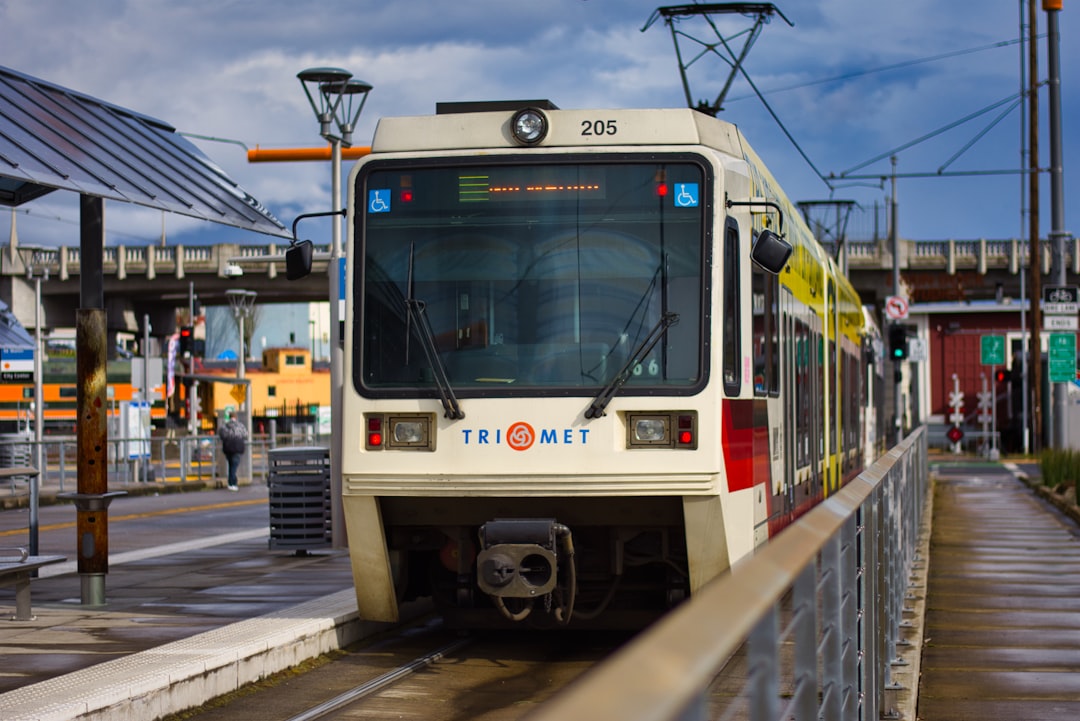
TriMet prepares to bid farewell to its original fleet of MAX trains. The boxy Type 1 cars, which debuted in 1986, are being retired after 40 years.
Portland’s light rail system, a staple of the city’s public transit infrastructure, is saying goodbye to its first-generation MAX train cars. TriMet, the operator of Portland’s transit network, is preparing to retire the last of its original Type 1 MAX trains, which have been in service since the system’s debut in 1986. These boxy, high-floor vehicles have become iconic in the region but are finally reaching the end of their operational lifecycle.
A legacy of 40 years
The Type 1 MAX trains were introduced when the first MAX light rail line began operation nearly four decades ago. Their projected service life was around 30 years, but the cars have outperformed expectations, running for about 40 years. TriMet attributes this longevity to robust maintenance, though finding spare parts for such old equipment has become increasingly challenging. "It’s getting too hard to find spare parts to keep them rolling," the transit operator acknowledged.
These trains are easily distinguishable by their boxy exteriors, high floors, and stairs at each door. This design was standard for its time but has since been phased out in favor of low-floor trains that support better accessibility, including ramps for passengers with mobility challenges.
Why Type 1s are unique
One notable feature of the Type 1 trains is that they are no longer compatible for standalone operation in Portland’s modern fleet. Since the late 1990s, they have been paired exclusively with newer second-generation cars to ensure compliance with accessibility requirements. This configuration means that riders haven’t seen a pair of solely Type 1 trains in service for decades.
Despite these adjustments to extend their usability, TriMet has been gradually retiring the Type 1 fleet over the past year. They are being replaced by the modern Type 6 cars, which incorporate state-of-the-art technology and are designed to deliver a more efficient and accessible ride.
The final four
As of now, only four Type 1 trains remain technically in active service. However, all of these cars are currently in the shop for maintenance, and there is uncertainty about whether any will return to regular operations before their official decommissioning later this spring. For passengers hoping to take one last ride, this means opportunities will be rare, if they exist at all.
TriMet plans to ensure that rail enthusiasts and the Portland community get a proper chance to say goodbye. A farewell event is scheduled for April 18, 2024, at Holiday Park in Portland. Between 1:20 PM and 3:00 PM, attendees will have one final opportunity to engage with the Type 1 trains before they are permanently pulled from service.
What's next for the Type 1s?
After their retirement, the operational days of the Type 1 cars will be over, but their legacy will live on. Last year, TriMet donated one of the retired cars to the Oregon Electric Railway Museum in Brooks, Oregon. This preserved train car ensures that future generations can appreciate its historic role in Portland’s transit history. Once the remaining Type 1 cars are decommissioned, the museum will be the only place to see one in person.
Evolution of public transit in Portland
The retirement of the Type 1 cars marks a significant milestone in the evolution of Portland’s light rail system. When the MAX line started in 1986, the high-floor design of trains like the Type 1 was standard. Public transit systems nationwide have since moved toward more inclusive and adaptable solutions like low-floor trains. Portland has been no exception, gradually transitioning to an accessible fleet that better meets the needs of all riders.
The introduction of the Type 6 trains, which have wide doors, modern interiors, and advanced systems, reflects this shift. These upgrades not only improve accessibility but also signify TriMet’s commitment to a sustainable future as ridership patterns evolve and environmental concerns grow.
Why it matters
For some, the Type 1 trains are more than a mode of transportation; they symbolize Portland’s transit roots. These trains were a part of the city’s development, helping to shape urban growth and providing a cleaner transportation alternative for decades. Their retirement also underscores the importance of investing in new, efficient technologies to keep public transit appealing and reliable.
Public transit systems across the country are facing challenges like aging infrastructure, fluctuating ridership, and increased operational costs. While TriMet’s decision to retire the Type 1 fleet was largely logistical—they’ve lasted well beyond their expected lifespan—it’s also a sign that proactive replacements are essential to maintain high service standards.
A farewell, not a goodbye
As the final Type 1 cars are phased out, Portland residents will be reminded of the importance of preserving transit history even as the system presses forward with modernization. The April farewell event offers not just a closure to this chapter of public transit but also an opportunity to celebrate the progress and durability that these trains have represented for 40 years.
Whether it’s nostalgia or curiosity driving attendance, the event promises to be a fitting send-off for these iconic vehicles. Afterward, rail enthusiasts can continue to honor the legacy of the Type 1s at the Oregon Electric Railway Museum. For TriMet, their last departure signals not just an end but a step toward a future defined by advanced, accessible, and sustainable public transit.
Staff Writer
Nina writes about new car models, EV infrastructure, and transportation policy.
Comments
Loading comments…


