Uber invests $1.25 billion in Rivian to develop robotaxis
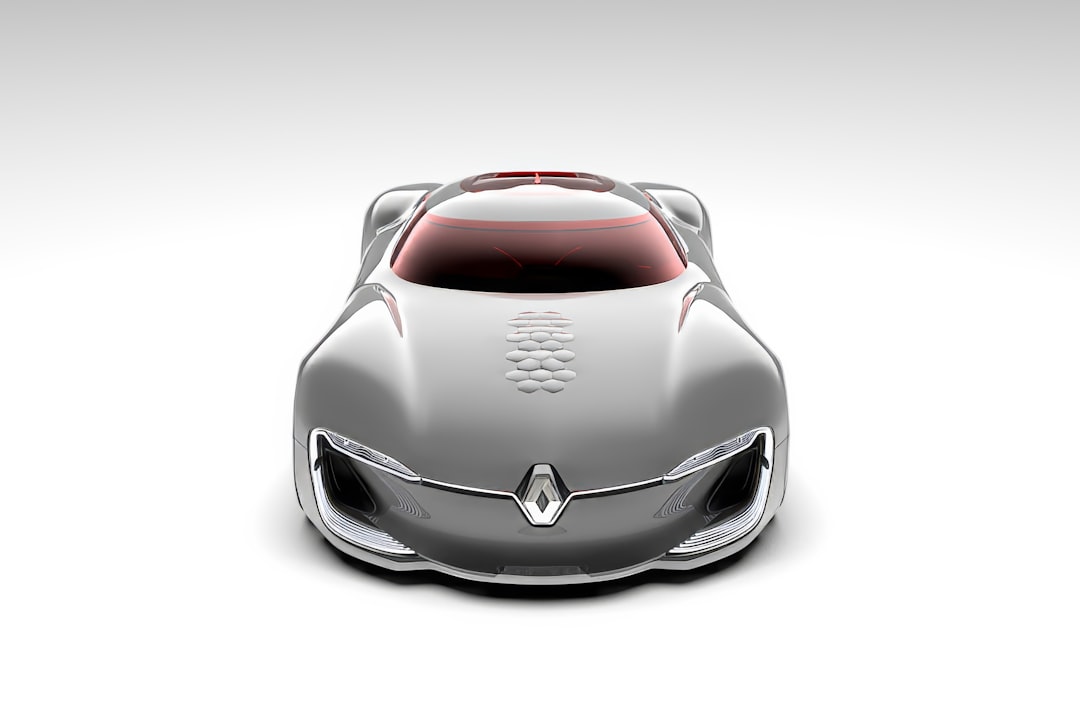
Uber is investing $1.25 billion in Rivian to develop driverless ride-hailing services, targeting deployment in 25 cities by 2031.
Uber has announced a major partnership with electric vehicle manufacturer Rivian, investing up to $1.25 billion to help develop and deploy fully autonomous robotaxis. This strategic move aims to make Uber a leader in the growing driverless ride-hailing market and significantly boost Rivian’s position in the electric vehicle (EV) industry. The companies plan to roll out driverless ride-hailing services in more than 25 cities by 2031, starting with initial deployments in San Francisco and Miami by 2028.
Uber and Rivian's partnership: The details
The $1.25 billion investment is designed to accelerate Rivian’s development of highly specialized EVs tailored for driverless ride-hailing. While existing Rivian vehicles like the R1T and R1S target consumers with off-road capabilities and luxury features, this deal appears to focus on creating purpose-built autonomous electric cars optimized for urban environments.
The long-term plan includes scaling the deployment of these robotaxis beyond San Francisco and Miami to over 25 cities within the next decade. Uber’s vast experience in ride-hailing, paired with Rivian’s expertise in electric vehicle engineering, makes this collaboration uniquely positioned to address both the technical and operational challenges of autonomous driving.
Rivian’s stock price jumped nearly 10% following the announcement, indicating strong investor confidence in the partnership.
Why Uber chose Rivian
Uber’s decision to partner with Rivian suggests a calculated strategy to stay competitive in the rapidly evolving autonomous vehicle market. With fierce competition from companies like Waymo and Tesla, Uber’s investment helps secure its stake in the next generation of ride-hailing technology.
Several factors make Rivian an attractive partner for Uber:
- Proven EV expertise: Rivian’s consumer vehicles have earned praise for their innovation and sustainability. The experience gained in developing reliable EV platforms translates well into building robotaxis.
- Scalable production capabilities: With Rivian’s manufacturing facilities already operational, the company is well-positioned to deliver high volumes of vehicles within the project’s timeline.
- Shared commitment to sustainability: Both companies aim to reduce carbon emissions, aligning their interests in advancing eco-friendly transportation solutions.
Deployment timeline
Uber and Rivian plan to start by launching robotaxis in San Francisco and Miami by 2028. These two cities provide diverse challenges that can serve as testbeds for autonomous vehicle technology.
- San Francisco: Known for its steep hills and dense traffic, San Francisco offers a rigorous environment to test the limits of autonomous vehicle navigation.
- Miami: With flat terrain and unpredictable weather, Miami poses unique challenges, particularly in terms of ensuring safe operation in varying conditions.
By 2031, Uber and Rivian aim to expand to 25 additional cities globally. While exact locations have not been announced, the focus will likely center on urban areas with high demand for ride-hailing services.
Challenges ahead
The Uber-Rivian partnership still faces significant hurdles. Autonomous driving technology remains complex and controversial, with regulatory approval and public trust as major obstacles. Safety will likely be a focal point, considering increasing scrutiny around high-profile accidents involving driverless cars. Moreover, scaling to 25 cities will require securing permits, ensuring infrastructure compatibility, and addressing city-specific challenges.
Additionally, developing new purpose-built autonomous EVs from scratch is a costly and time-intensive effort. Even with Uber’s substantial investment, Rivian will need to execute flawlessly to meet deployment deadlines without compromising quality.
How this partnership impacts the EV and ride-hailing markets
This collaboration highlights the growing convergence of the autonomous vehicle, electric vehicle, and ride-hailing sectors. Rivian’s entrance into the driverless car market diversifies its revenue streams, positioning it as more than just a consumer-focused EV manufacturer. Meanwhile, Uber gains access to uniquely designed autonomous cars, giving it an edge over competitors who rely on retrofitted vehicles.
If successful, the Uber-Rivian partnership could set a template for future collaborations between tech companies and automakers. The ripple effects may influence market leaders like Tesla or Waymo to refine their strategies, fostering even more innovation in the space.
Key takeaways
- Uber is investing up to $1.25 billion in Rivian to develop self-driving EVs for ride-hailing.
- Initial robotaxis will launch in San Francisco and Miami by 2028, with plans to expand to 25+ cities by 2031.
- Rivian’s stock price spiked 10% after the announcement, reflecting investor confidence in the deal.
- Challenges include regulatory approval, technical hurdles, and building public trust in autonomous vehicles.
- The collaboration could set a precedent for partnerships within the EV and autonomous vehicle industries.
Conclusion
The Uber-Rivian partnership represents a bold step toward the future of autonomous ride-hailing. By combining Rivian’s cutting-edge EV technology with Uber’s global foothold in ride-hailing services, the collaboration could redefine urban mobility by 2031. While challenges remain, the investment signals confidence in the potential of autonomous electric vehicles to transform public transportation.
Staff Writer
Mike covers electric vehicles, autonomous driving, and the automotive industry.
Comments
Loading comments…


