Why 2026 Cars Could Mark the End of True Vehicle Ownership
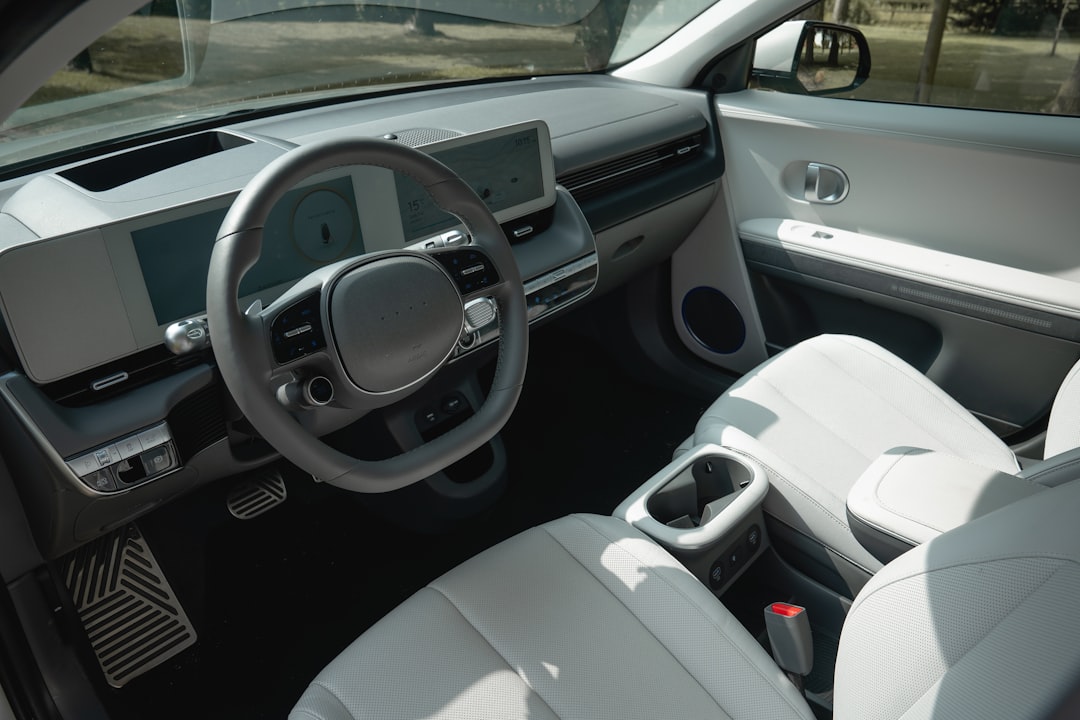
2026 cars will feature connected vehicle systems limiting autonomy, raising costs, and altering the idea of ownership. Here's what you need to know.
The Paradigm Shift in Vehicle Ownership
Starting with model year 2026, vehicle ownership as we know it is poised for a seismic shift. Mechanics across the country are raising alarms, urging car buyers to consider sticking to pre-2026 models. This isn’t because of reliability concerns or major recalls—it’s about control over how vehicles function and the growing influence of software.
Automotive manufacturers are pushing what they call "connected vehicle architecture," systems that will integrate over-the-air (OTA) updates, remote diagnostics, and monitoring tools into every new car. These changes are introduced under the guise of safety and convenience, but they come with a hidden cost: the erosion of traditional ownership. Once you’ve paid off your vehicle, the question will remain—do you really own it, or are you simply licensing its functionality?
Connected Vehicle Architecture: A Double-Edged Sword
New connected technologies are reshaping the car market. From 2026, systems like OTA updates will be standard in most vehicles, allowing manufacturers unprecedented control. Here’s what these systems enable:
- Feature Activation via Subscription: Even for features already installed (e.g., heated seats), manufacturers could require monthly fees for access.
- Remote Restrictions: Geofence limits, speed reduction, or non-operational engines based on circumstances determined by the manufacturer.
- Extensive Data Collection: Routes, location history, and driver behavior could be monitored and shared with third parties, including insurers and government entities.
While these capabilities offer tangible safety benefits—like theft prevention—critics argue they tread dangerously close to infringing on owner autonomy.
Subscription Services Expand Beyond Luxury Brands
Subscription models for vehicle features are no longer exclusive to high-end cars. This strategy first emerged in luxury brands such as BMW with features like heated seats and adaptive cruise control. Although BMW faced backlash, others like Toyota and GM are exploring similar pay-to-access models. Manufacturers aim to normalize this by introducing it incrementally, starting with premium features and expanding to basic functionality.
By making connectivity non-negotiable from 2026 onwards, automakers are locking drivers into ecosystems where even a fully paid car comes with extra costs.
The Role of U.S. Regulations
Federal mandates are playing a significant role in this transformation. Policies, including the recently enacted infrastructure bill, require new safety measures: kill switches for impaired driving prevention, for example. While marketed as public safety measures, they double as tools of control for manufacturers. Regulations are also encouraging OTA software use, leaving manufacturers in charge of compliance enforcement.
The Threat to Independent Mechanics
Independent auto repair shops are among the biggest casualties in the rise of connected car systems. As connected vehicles require proprietary diagnostic software, manufacturers are denying these tools to mechanics outside their dealer networks. This means:
- Restricted Repairs: Basic fixes, such as battery replacements or software updates, might only be available at dealerships.
- Higher Repair Costs: Dealerships charge on average 3x more than independent mechanics for similar jobs.
Efforts to pass right-to-repair legislation have largely failed due to heavy lobbying from the automotive industry. By 2026, many independent mechanics may find themselves unable to service vehicles, leaving car owners few affordable options for maintenance.
Software Obsolescence and Forced Upgrades
Modern vehicles increasingly rely on software for their functionality. While physical hardware might age well, software dependent features—navigation systems, safety assists, adaptive climate control—can become outdated much faster. Tesla pioneered this concept, using software updates to regulate battery life and other features. Now, other manufacturers are adopting this model, allowing them to dictate when a car becomes obsolete.
Here’s what this means for typical buyers:
| Scenario | Outcome |
|---|---|
| Outdated software | Safety features stop working over time. |
| No updates available | Key components (screen, climate control) fail. |
| Manufacturer refusal | Owners forced into buying newer vehicles. |
As a result, a 10-year-old 2026 model could be both mechanically sound and digitally worthless.
Financial Implications for Consumers
This shift fundamentally changes the cost of car ownership. Historically, maintaining a vehicle for 15-20 years was viable with basic care. With software fees, repair restrictions, and feature subscriptions, ownership is becoming perpetually expensive, mirroring the subscription-pricing strategies of industries such as entertainment and software.
For lower-income families, the dream of vehicle ownership could move even further out of reach. This system also threatens generational wealth built on car equity, as vehicles lose value due to software restrictions. Previously, a well-maintained car could be sold for a reasonable price after years of use. For 2026 models, declining software support and obsolescence will drastically cut resale values.
Used cars produced before 2020 are already becoming more attractive to buyers, some of whom are willing to pay a premium for older models that don’t require manufacturer oversight for functionality.
Autonomous Cars and the Subscribed Future
For many automakers and policymakers, the ultimate goal is autonomy—not just in cars but in how transportation services are delivered. They see a future where individuals no longer own personal vehicles, instead subscribing to autonomous vehicle (AV) networks for transport. Early forms of this system are being tested in cities like San Francisco and Los Angeles, with incentives like tax benefits for rideshare users or restricted zones for private cars accelerating the shift.
While this presents an efficient urban model, it also diminishes individual independence. Emergency services, rural communities, and industries reliant on vehicle autonomy could face devastating consequences under such restrictions.
What You Can Do
If you’re concerned about these changes, there are proactive steps you can take to minimize their impact on your mobility:
- Buy Used Cars from Pre-2026: Older vehicles offer traditional ownership without connected systems.
- Support Right-to-Repair Legislation: Advocate for fair access to repair tools to preserve independent repair shops.
- Maintain Existing Cars: Keep your current vehicle in good condition. Skilled mechanics are still able to handle older systems.
- Evaluate Manufacturers: Some brands adopt these changes more aggressively than others. Consider alternatives prioritizing simpler systems.
The Future of Your Vehicle
Ownership of a 2026 car is about far more than purchase price or monthly payments. Buyers are, in many cases, sacrificing control, autonomy, and the ability to freely repair and operate their vehicles. The shift toward connected systems paints a stark picture where cars act more like rented software platforms than mechanical investments.
Mechanics urging caution aren’t being alarmist but practical. With widespread adoption of these systems inevitable after 2026, consumers need to understand the long-term implications. The freedom to own, repair, and confidently use your vehicle without interference is eroding. Saving that freedom starts with the choices you make today.
Staff Writer
Mike covers electric vehicles, autonomous driving, and the automotive industry.
Comments
Loading comments…


