Why electric car charging doesn't have to be complicated
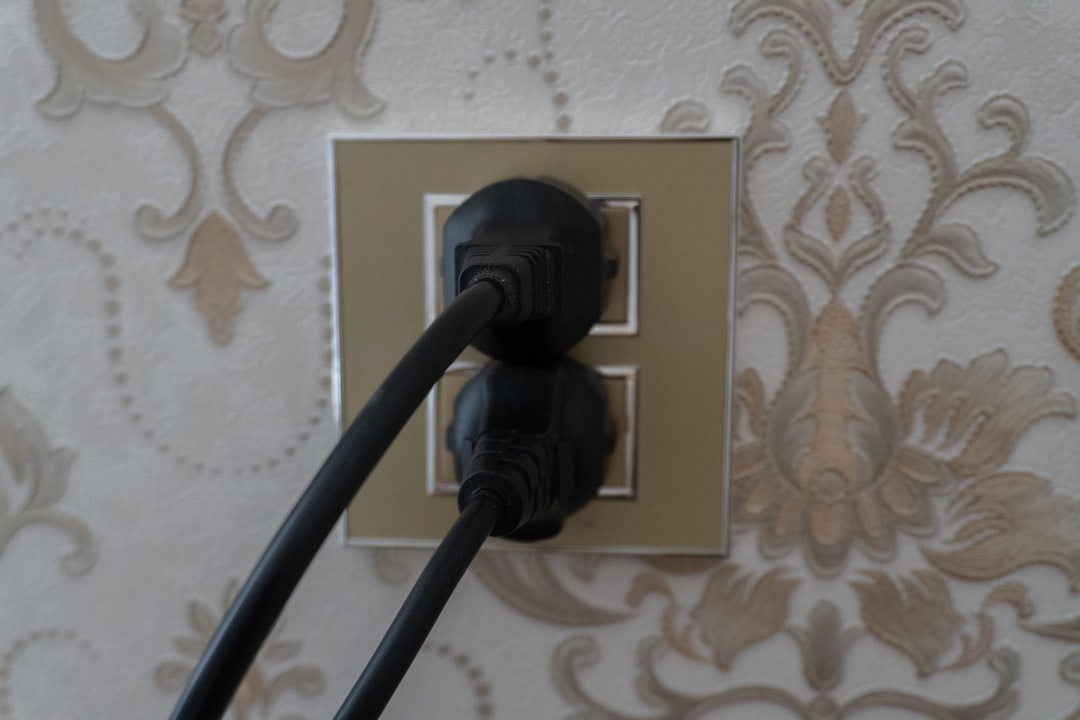
Electric vehicle (EV) charging is simpler than it seems. Most EV owners can rely on everyday household outlets for their charging needs.
Electric cars don’t require a special kind of electricity, and for many people, they don’t need elaborate setups to keep running. Whether you’re new to the world of electric vehicles (EVs) or navigating the misinformation often circulating, the truth is straightforward: everyday household electricity can meet most EV charging needs. Here’s a closer look at why this works, why it’s being overlooked, and how we might rethink EV infrastructure.
Charging Made Simple: A Household Outlet Can Be Enough
One of the most surprising facts about electric vehicles is that every single one of them can be charged using a standard household outlet. This feat is enabled by the accessibility of 120-volt AC power, which Americans likely already have in their homes. Such charging—commonly referred to as “level one charging”—might be slow, but it’s more effective than many assume. For the average commuter traveling less than 40 miles a day, an overnight charge using a basic wall outlet is often sufficient to replenish daily driving needs.
This straightforward method does not require the high-cost charging infrastructure that many think is necessary. The charging cables compatible with most EVs—some of which are included when purchasing the car—are affordable, with replacements costing around $100. This simplicity means that EV charging at home is achievable for millions of people without installing specialized equipment.
A Big Mental Shift for Car Owners
The root of understanding EV charging lies in rethinking how we approach cars as a whole. Traditional cars rely on gas stations, requiring individuals to plan fueling stops into their routines. EVs, however, provide the flexibility to "refuel" wherever electricity is accessible. By plugging an EV into a basic outlet while at home, at work, or parked elsewhere, owners can take advantage of idle time to charge incrementally. This eliminates the need for dedicated trips solely to “refuel.”
However, this paradigm shift can initially frustrate some car owners. With level one charging, fully recharging a depleted EV battery can take days. Yet, this rarely matters in real-world conditions. Unless you’re frequently driving hundreds of miles daily, charging a bit at a time during idle periods is often sufficient. This new approach requires reimagining the experience of owning and maintaining a vehicle. Instead of seeing refueling as a separate task, it becomes a background activity.
Who Should Consider Upgrading to Level Two?
While level one charging is often enough for the average EV driver, level two charging—using a 240-volt power source—does have undeniable advantages for certain scenarios. Level two charging provides significantly faster rates, allowing most EVs to fully recharge overnight even after longer daily trips. For those who frequently drive long distances or live in areas with extremely cold winters, upgrading to level two can be worthwhile.
Installing a level two charging station at home will likely cost more upfront. It often involves adding a higher-capacity outlet, like a NEMA 14-50 receptacle, to your garage or driveway. This upgrade enables faster and more efficient charging but isn't necessary for all EV users. Many electricians and enthusiasts might recommend installing systems with maximum capacity—capable of delivering up to 9.6 kW of power—but this level of infrastructure often far exceeds what a typical driver needs. Lower-capacity, budget-friendly level two setups can adequately meet most use cases.
Addressing Some Common Concerns
Battery Lifespan Myths
A pervasive misconception surrounding EVs relates to battery longevity. Some believe an EV’s battery requires frequent replacement, akin to phone batteries. In reality, EV batteries are proven to last for many years under normal use. This concern has impacted the valuation of used EVs, keeping prices lower than warranted. As understanding shifts and oil prices fluctuate, the value of used EVs is steadily increasing.
Electrical Safety
Homeowners using level one charging from a standard outlet should keep an eye on electrical safety. EV charging draws more consistent power than occasional household appliances like hair dryers or microwaves. This can stress older or loose fittings. Ensure the outlet securely grips the charging plug, as poor connections can overheat and potentially cause fires. Temperature sensors in modern EV charging cables help mitigate risks, but drivers should avoid using extension cords and check circuits for overloading, especially in homes with concurrent appliance use.
Challenges in Cold Climates
Cold weather remains one limitation for EV charging. Extremely low temperatures can reduce driving range and slow charging speeds, particularly for level one sources. Cars parked outside in freezing weather have to draw battery power to maintain their systems’ optimal operating temperatures, which can reduce the amount of charge added overnight. For severe climates, enclosed garages or level two chargers mitigate these inefficiencies.
Wires, Not Complexity
The critical infrastructure for charging EVs is simple: electricity and wires. However, modern charging systems often emphasize complicated public networks and high-speed chargers. While these are essential for long-distance travel and fleet operations, most people will benefit more from expanding low-cost, no-frills charging access. Mass adoption of level one and level two charging infrastructure in shared or public spaces—like apartment complexes or workplaces—could address current inequities where individuals without a garage are relegated to less convenient or costly solutions.
Why the Flashy Stuff Won’t Solve Everything
Rapid advancements in DC fast charging networks, bolstered by headlines about breakthroughs like five-minute full charges, add excitement to the EV landscape. DC fast charging stations mimic the convenience of traditional gas stations, providing near-instant energy for longer trips. However, such infrastructure is overbuilt for daily use and unnecessarily expensive compared to simpler alternatives. Prioritizing accessible, cost-friendly solutions for slow charging—which reflects the majority of real-life use cases—would better serve widespread EV adoption.
The Broader Picture
Rethinking EV charging also necessitates rethinking transportation dependency. While EVs are less destructive than their gas-powered counterparts, car dependency itself contributes to systemic issues—spatial inefficiency, public infrastructure neglect, and environmental harm. Better cycling paths, robust public transportation, and even walkable neighborhoods remain essential goals. EVs, as significant as they are, are just one piece of a broader vision for greener transport systems. In this context, smarter, simpler charging solutions are equally vital: they make EVs practical without perpetuating expensive car-centric priorities.
For those considering EVs, starting small with a standard outlet is often the easiest and most cost-effective entry point. With the right mindset, you can integrate an electric car into your daily routine seamlessly—no overbuilt network required.
Staff Writer
Mike covers electric vehicles, autonomous driving, and the automotive industry.
Comments
Loading comments…


