Why modern cars feel more like simulators than machines
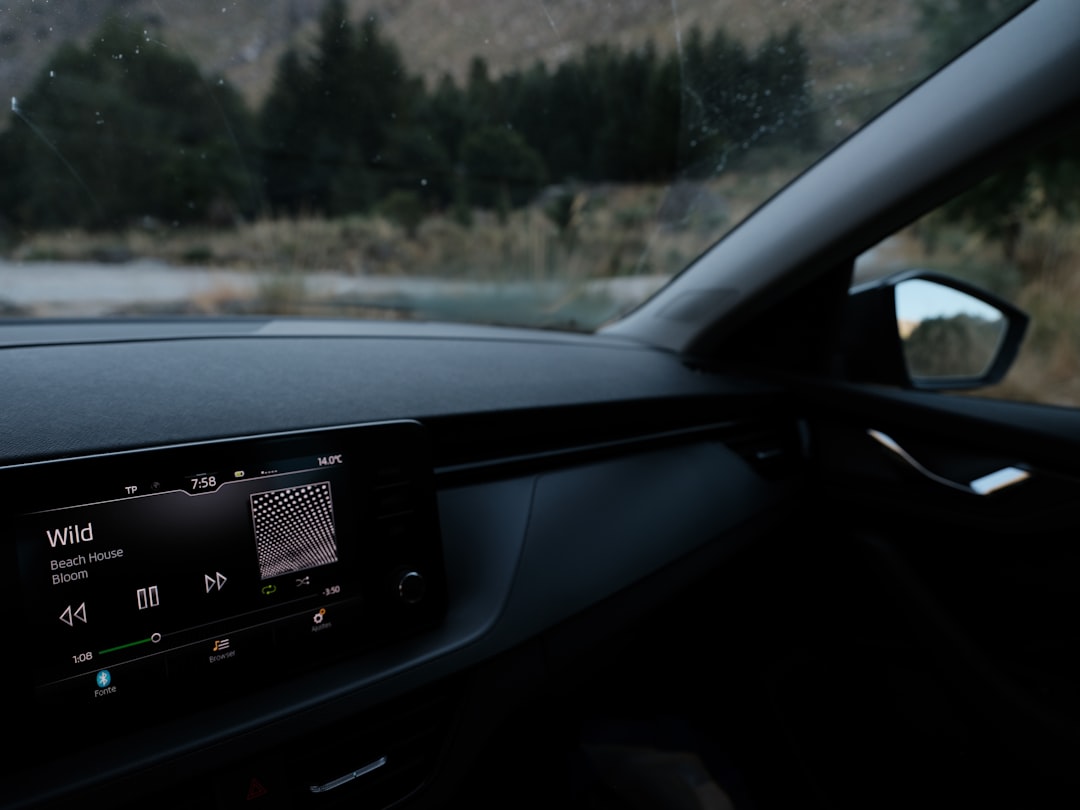
The rise of software-driven systems in modern vehicles has transformed driving into a digital experience, creating a divide between enthusiasts and engineers.
Over the last few decades, cars have undergone a dramatic transformation. Once purely mechanical, embodying simplicity and tactile feedback, modern vehicles have evolved into software-driven machines with layers of electromechanical systems, making them feel more like simulators on wheels. While this evolution has brought a host of innovations, including safer and more autonomous features, it has also distanced drivers from the visceral experience of engaging with the road. Here’s why modern cars have taken this path and what it means for drivers today.
From analog to digital: the shift in driving
Cars from the late '90s, like the 1998 Honda Civic DX, represented the final era of purely mechanical vehicles. These cars had manual steering, crank windows, and no advanced electronic aids such as anti-lock braking (ABS) systems. They were simple machines—what you input physically was translated directly into mechanical movement. Stepping into one was an experience of unfiltered driving, where the driver was wholly responsible for optimizing the car’s performance.
Fast forward to today, and vehicles have become digital ecosystems. From steering to braking, nearly every function once tied to mechanical linkages is now mediated by software. For instance:
- Steering: Many modern cars use electric-assisted steering, and some have even adopted steer-by-wire systems where no physical connection exists between the steering wheel and the tires.
- Braking: Brake-by-wire systems replace hydraulic linkages with electronic actuators, meaning the brake pedal essentially acts as a digital input device.
- Throttle control: Drive-by-wire systems replace throttle cables with actuators controlled electronically.
These shifts were partly driven by the integration of advanced safety systems. Features like lane-keep assist and crash avoidance rely on electronic systems taking momentary control of the car. For example, autonomous emergency braking (AEB) needs electronic actuators to stop the vehicle without driver input. Such systems operate within a network of sensors, actuators, and processors communicating in real time—something that would have been impossible just 15 years ago due to technological limitations.
The rise of electromechanical complexity
The layering of electronic components over mechanical systems has created what engineers term "electromechanical systems." Consider a vehicle’s differential, which traditionally distributed engine power mechanically between wheels. Today, many cars feature electronically controlled limited-slip differentials (eLSDs), which rely on processors to optimize torque distribution based on driving conditions.
Active suspension systems provide another example. These systems use air suspension or adaptive dampers to adjust ride quality dynamically, responding to road conditions in milliseconds. Similarly, innovations like all-wheel steering allow the rear wheels to turn slightly for better handling, a feature managed entirely through software-driven coordination.
However, these interconnected systems require significant processing power. Modern vehicles often communicate via internal networks similar to those used in computers. Traditional cars used basic Controller Area Network (CAN) systems, but their speed and bandwidth limitations have prompted many modern vehicles—especially electric cars—to adopt Ethernet. This shift is essential for systems that need to operate without latency, such as semi-autonomous or fully autonomous driving platforms. Every process, from brake modulation to lane correction, must happen instantaneously to ensure safety and performance.
Why modern cars feel disconnected to some drivers
As cars become more digitally controlled, their tactile feedback—a major factor for driving enthusiasts—has diminished. Traditional linkages provided natural feedback through the steering wheel, brake pedal, and throttle, letting the driver "feel" the road and their car’s limits. Modern systems, however, often simulate these sensations through software, leading to what some call an "artificial" driving experience.
For example, many drivers note that brake-by-wire systems deliver a consistent pedal feel, but the force applied often does not mirror actual braking performance. Similarly, variable gear ratio steering artificially modulates the wheel’s responsiveness based on speed or driving mode, further muting the organic connection drivers once had with their vehicles.
Engineers from brands like Ferrari, Corvette, and Toyota recognize these challenges. Designing systems that feel "natural" while still adhering to safety and performance constraints is a constant battle. According to many automotive engineers, replicating the analog driving experience of older vehicles—including the nuanced feedback of mechanical inputs—is difficult with today’s layers of digital intervention.
Why simulators are getting it right
Strangely enough, driving simulators used for software and hardware development are becoming better at creating realistic driving feedback than many modern road cars. Automotive brands now rely heavily on simulation to test components such as tire grip, brake response, and noise vibration harshness (NVH). Simulators allow engineers to adjust software and hardware variables without deploying physical prototypes, speeding up the development process.
High-end simulators can even replicate the feedback of pedals, steering wheels, and chassis dynamics through precision engineering. Simucube, for instance, offers advanced active pedal systems capable of emulating hardware-specific characteristics, like the exact springiness or firm resistance found in different models of vehicles. Engineers can map brake pedal pressure points, simulate ABS feedback, and customize throttle response—all in a virtual environment.
The trade-off: convenience versus connection
Modern vehicles offer undeniable benefits: enhanced safety, smoother rides, customizable driving dynamics, and improved energy efficiency. Software-driven updates also ensure cars can evolve post-purchase—a functionality unthinkable in purely mechanical cars. Over-the-air (OTA) updates enable manufacturers to fix bugs or even introduce new features without requiring a physical recall.
But this shift comes with compromises. Cars are now engineered for broad appeal rather than individual passion. Software allows manufacturers to tune inputs—steering, throttle, braking—to meet regulatory or mass-market expectations, often sacrificing the rawness hobbyists love. Moreover, as vehicles age, maintaining these intricate systems could become increasingly costly due to their dependence on proprietary technology.
The future: embracing or rejecting the simulator?
As the car industry looks to a future dominated by autonomous technology, the trend toward simulated driving is likely to deepen. Level 3 and Level 4 autonomous systems will demand even faster, more complex electromechanical coordination, leaving little room for analog sensations. For traditional driving enthusiasts, this raises an essential question: How much of "driving" will actually involve the driver?
There are brands dedicated to preserving the "soul" of driving, but as generational engineers who grew up with analog cars retire, the expertise to bridge mechanical nostalgia with modern technology may diminish. Unless manufacturers prioritize training engineers to appreciate the analog past, we may lose touch entirely with what made driving an emotional experience in the first place.
In this evolving landscape, driving might become just another part of the digital experience—perfected, efficient, and safe, but lacking the visceral joy older cars once provided.
Staff Writer
Mike covers electric vehicles, autonomous driving, and the automotive industry.
Comments
Loading comments…


