Why Tesla Showrooms Operate Differently: Insights from a Texas Visit
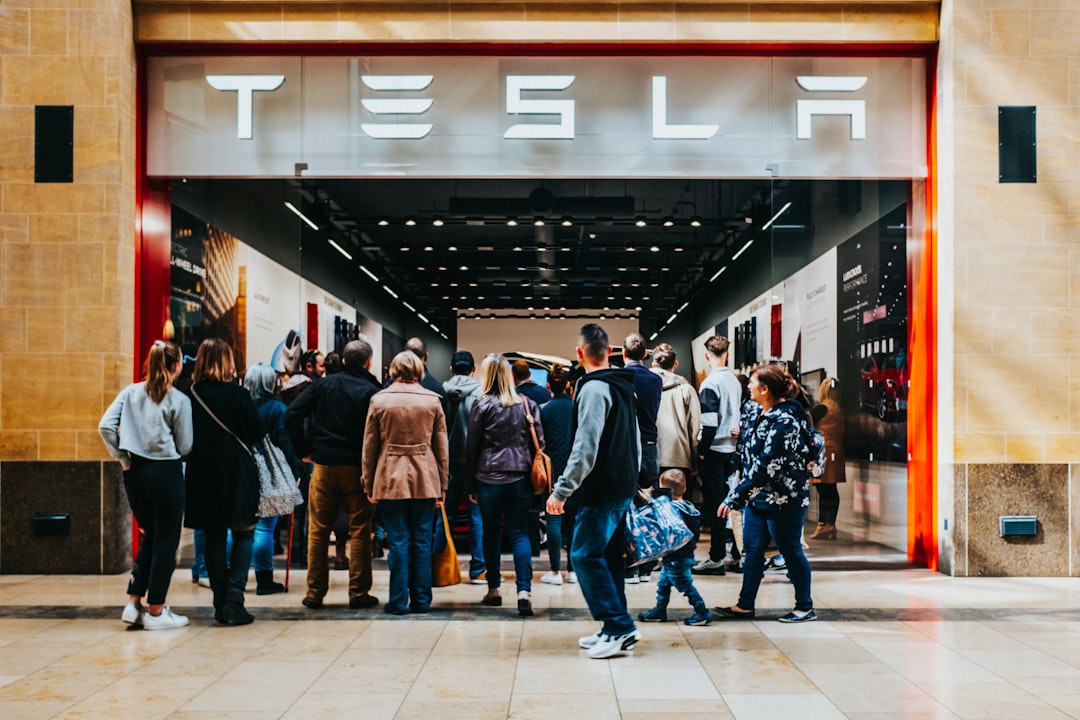
Tesla showrooms aren’t traditional dealerships. Learn why Tesla inventory policies, state laws, and showroom rules result in a unique buying experience.
Visiting a Tesla showroom reveals a retail experience unlike traditional car dealerships. Tesla’s model circumvents state franchise laws by operating showrooms instead of dealerships, meaning you can’t simply walk in and drive out in a new car, even if the lot is full. Instead, the process requires purchasing or leasing the vehicle online. Here’s a closer look at Tesla’s showrooms, their inventory, and the unique approach Tesla employs in selling cars.
Tesla Showrooms: Not Your Average Dealership
Tesla’s retail spaces might resemble your typical car dealership at first glance, but key differences set them apart. These locations, officially designated as showrooms, showcase Tesla vehicles without functioning as sales points. Buyers must order their vehicles independently, often via Tesla’s website or app, even if they prefer to pick it up at a showroom later.
In Texas, this distinction is complicated further by franchise laws that ban automakers from selling vehicles directly to customers. Tesla navigates these laws by forbidding in-state buyers from purchasing cars on-site. Buyers must finalize their purchase online, which adds an additional layer of complexity compared to traditional car dealerships where transactions happen in real time. Tesla owners in Texas must also register their vehicles in-state after purchase, creating additional friction in the buying process.
Overflowing Inventory: A Full Lot of Teslas
While Tesla showrooms aren’t traditional dealerships, their lot inventory resembles that of a car lot. A recent visit revealed rows of Tesla models, mostly in black – the brand’s “free” color option for many trims.
Among the models available were the Tesla Model 3 and Tesla Model S. The Model 3, priced around $45,000 for the rear-wheel-drive version, claims an EPA-estimated 363-mile range. However, real-world range tends to fall short of these estimates due to driving conditions and other factors.
The Tesla Model S, a premium sedan starting at $100,000, boasts a range of up to 410 miles. This places it among the longest-range electric vehicles currently available, but the hefty price tag might give potential buyers pause. For those interested in more affordable options, used Tesla vehicles reportedly offer significant savings as depreciation impacts resale values heavily, especially for luxury models.
The Friction in Tesla Sales
Tesla’s direct-to-consumer model bypasses traditional salespeople and eliminates the pressure-filled environment of conventional dealerships. While this appeals to buyers wary of the high-pressure tactics often associated with car sales, it also introduces hurdles. For instance:
- Buyers must manage their own financing arrangements, as Tesla does not handle in-person credit checks.
- The entire sales process is conducted digitally, which may deter less tech-savvy individuals.
- Immediate purchases are impossible – you cannot visit a showroom and finalize a vehicle on the same day.
This streamlined approach appeals primarily to buyers seeking transparency, as Tesla avoids hidden fees, unnecessary add-ons, or markups over MSRP. Still, the lack of in-person sales support could turn away customers who prefer more traditional methods.
Navigating State Franchise Laws
Tesla’s innovative sales model also stems from adjusting to U.S. state franchise laws, which usually prevent manufacturers from selling directly to consumers. In states like Texas, Tesla employs workarounds such as labeling retail sites as “showrooms,” where no direct sales occur. These restrictions highlight the challenges automakers face when challenging entrenched dealership models.
For customers, the rules can feel unnecessarily complicated. If you’re from out of state, you cannot purchase or pick up a vehicle in Texas due to these regulations – a sharp contrast to your experience buying from other automakers with traditional dealer networks. States with fewer restrictions offer simpler transactions for Tesla buyers.
Tesla’s Unique Inventory Environment
Beyond state laws, Tesla’s commitment to minimalist inventory stands out. Unlike traditional automakers that push extensive customization, Tesla produces vehicles in large batches with limited variations to simplify production. While popular colors such as black dominate showrooms, other options often involve additional costs.
Even with ample on-site inventory, Tesla does not accommodate direct purchases. Overflow inventory is often redirected to other locations, serving as a regional supply buffer rather than a stock for same-day sales.
The Popular Tesla Cybertruck: A Special Mention
Among the vehicles on display, the Tesla Cybertruck stood out as a curiosity. While its unconventional design polarizes buyers, its appeal remains strong. With starting prices now available in the $80,000 range, Tesla’s newest offering has potential, despite a rocky debut. Preowned units are already appearing in the market, with prices falling as initial hype tapers off. This ebb in demand underscores the challenge of maintaining momentum for revolutionary designs over time.
Practical Considerations for Tesla Buyers
If you’re considering purchasing a Tesla, here are a few takeaways:
- Be prepared for a digital process. Ensure you are comfortable navigating Tesla’s online ordering system, as no in-person transactions occur at showrooms.
- Research state-specific regulations. Franchise laws may limit where you can complete your purchase or register your new Tesla.
- Factor in realistic range estimates. For EVs, real-world range often falls short of EPA ratings, particularly under extreme weather conditions or heavy use.
- Explore color and trim options thoroughly. Tesla’s simplified options may mean compromising on personalization unless you are willing to pay for upgrades.
Conclusion
Tesla’s approach to vehicle sales and inventory management continues to challenge automotive norms. While the company’s model eliminates some pain points of traditional dealerships, it introduces unique hurdles – especially in states with restrictive franchise laws like Texas. Whether you embrace Tesla’s hands-off digital model or prefer the high-touch approach of conventional dealerships, understanding how Tesla operates will better prepare you to navigate this distinctly modern car-buying experience.
Staff Writer
Nina writes about new car models, EV infrastructure, and transportation policy.
Comments
Loading comments…


