Why Used Electric Vehicle Prices Are Plummeting in 2024
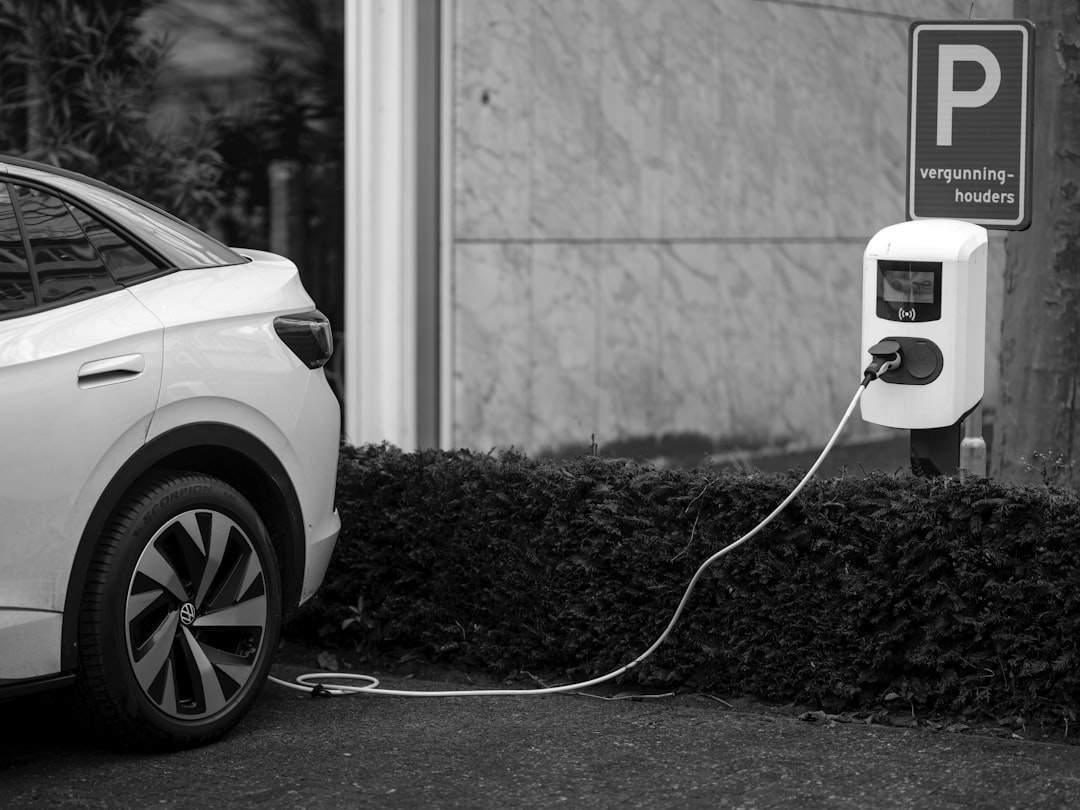
Electric vehicle resale values are dropping significantly. Here's why used electric cars like the Kia EV6 and Audi e-tron GT are losing value faster than gas-powered cars.
Why Are Resale Values Plummeting for Electric Vehicles?
It’s no secret that cars depreciate the moment you drive them off the lot, but electric vehicles (EVs) are seeing sharper value losses compared to their gas-powered counterparts in 2024. According to data analyzed by an automotive specialist group, used EVs—even those one year old with moderate mileage—are losing value at unprecedented rates. For consumers, this shift raises questions about whether EVs offer the financial benefits they were once touted to provide.
Let’s examine the models taking the biggest hits, why this is happening, and how EV depreciation compares to traditional combustion-engine vehicles.
Electric Cars with the Biggest Depreciation Rates
Some EVs are depreciating at rates as high as 30% in just one year. Here are the notable examples mentioned in the study:
Porsche Taycan Turbo S
- Original price (new): £152,000
- Current trade-in value (1-year-old): £112,900
- Depreciation rate: 20%
The Porsche Taycan, a high-end EV, has seen a £15,800 drop in trade-in value within a single year, which translates to around £1,800 per mile when factoring in a mileage of 20,000.
Kia EV6
- 2023 trade-in value: £44,500 (1-year-old, 10,000 miles)
- 2024 trade-in value: £33,000
- Depreciation rate: 26.7%
The Kia EV6, a popular mid-range EV, has experienced a steep loss, dropping over £11,000 in just one year.
Audi e-tron GT
- 2023 trade-in value: £45,000
- 2024 trade-in value: £33,000
- Depreciation rate: 27%
Despite sharing similar components with the Porsche Taycan, the Audi e-tron GT has depreciated even faster. Comparable gas-powered Audis, such as the A7 diesel, have held value far better, with losses as low as 2.7% year-over-year.
Mercedes EQC and Renault Megane E-Tech
- Average depreciation rate: 27.4%
- EQC 2023 value: £45,000
- EQC 2024 value: £33,000
Both these EVs have seen significant drops in value over the last 12 months. On the other hand, combustion-engine equivalents have fared far better.
Toyota bZ4X
- 2023 trade-in value: £41,000
- 2024 trade-in value: £28,000
- Depreciation rate: 32%
Although Toyota is a trusted brand, its all-electric bZ4X has not been able to maintain secondhand value. Meanwhile, hybrid and gas-powered Toyota models have exhibited much lower depreciation.
Citroën ë-C4 X
- 2023 trade-in value: £22,890
- 2024 trade-in value: £14,458
- Depreciation rate: 32.6%
This model tops the charts with the steepest depreciation rate among EVs, losing more than £8,000 in value in one year.
How Do Petrol and Diesel Cars Compare?
Internal combustion vehicles continue to hold value better across the board. For example:
- Audi A7 diesel: Depreciates by just 2.7% over 12 months.
- Mercedes GLB diesel: Depreciates by 12.1%.
- Lexus UX hybrid: Depreciates by 13.6%, showing better retention than its electric counterpart (32.1%).
- Petrol Citroën C4: Depreciates by 19.7%, far less than the ë-C4’s 32.6%.
Key Factors Behind Electric Car Depreciation
Supply Chain Normalization
In 2023, supply chain disruptions had driven up prices for all cars, including EVs. Now, with better availability, secondhand cars—especially electric ones—are coming back down in value as manufacturers meet new vehicle demand.
Battery Technology Advancements
Rapid progress in EV battery technology can render older electric car models less appealing. A 12-month-old car might not have the latest features or range improvements, decreasing its resale value.
Range Anxiety and Charging Network Issues
Although EVs are becoming more common, concerns about range per charge and inconsistent public charging infrastructure persist, especially in regions without robust charging grids. Buyers might prefer newer models with improved range capabilities.
Practical Takeaways for Car Buyers
-
Consider Hybrid Options If you want an eco-friendly car with better resale value, hybrids like the Lexus UX Hybrid or the Mercedes S-Class Hybrid show much smaller depreciation rates—and in some cases, values have increased.
-
Petrol/Diesel Cars Are Holding Value Combustion-engine cars like the Audi A7 and Mercedes GLB demonstrate much smaller price drops compared to electric equivalents. For moderate mileage drivers, these could be a savvy choice.
-
Be Cautious with Early EV Models Unless heavily discounted, steer clear of EVs known for sharp depreciation, such as the Citroën ë-C4 X, Kia EV6, or Mercedes EQC. They tend to lose value rapidly for now.
-
Monitor Incentives and Market Trends If EVs appeal to you, keep an eye on government incentives or manufacturer rebates. These might offset initial purchase costs and mitigate losses down the line.
Long-Term EV Value Outlook
The depreciation of EVs remains a significant concern but might balance out as infrastructure improves and supply chain fluctuations stabilize. However, this year’s data highlights that traditional gas-powered and hybrid vehicles still outperform electric cars in resale value retention. Consumers prioritizing financial prudence may want to carefully weigh these factors before making a purchase.
FAQs
What’s the steepest depreciation rate for an EV in 2024? The Citroën ë-C4 X has depreciated by 32.6%, the highest rate among EVs analyzed.
Which EV holds its value the best? No specific electric model holds its value exceedingly well, but premium hybrids like the Mercedes S-Class Hybrid have shown a slight increase in resale value.
Why are EV prices dropping so much? Improved vehicle supply, rapid battery advancements, and lingering concerns about charging infrastructure contribute to the falling resale values of EVs.
Are hybrids a better financial choice? Yes—for example, the Lexus UX Hybrid depreciated by only 13.6%, compared to the electric Lexus UX, which dropped over 32%.
Are there exceptions where EVs gain resale value? The Genesis GV70 EV has defied trends, appreciating in value by 8% this past year. However, cases like this are rare.
Staff Writer
Mike covers electric vehicles, autonomous driving, and the automotive industry.
Comments
Loading comments…


