Will 2026 Revive Germany’s Troubled Automotive Industry?
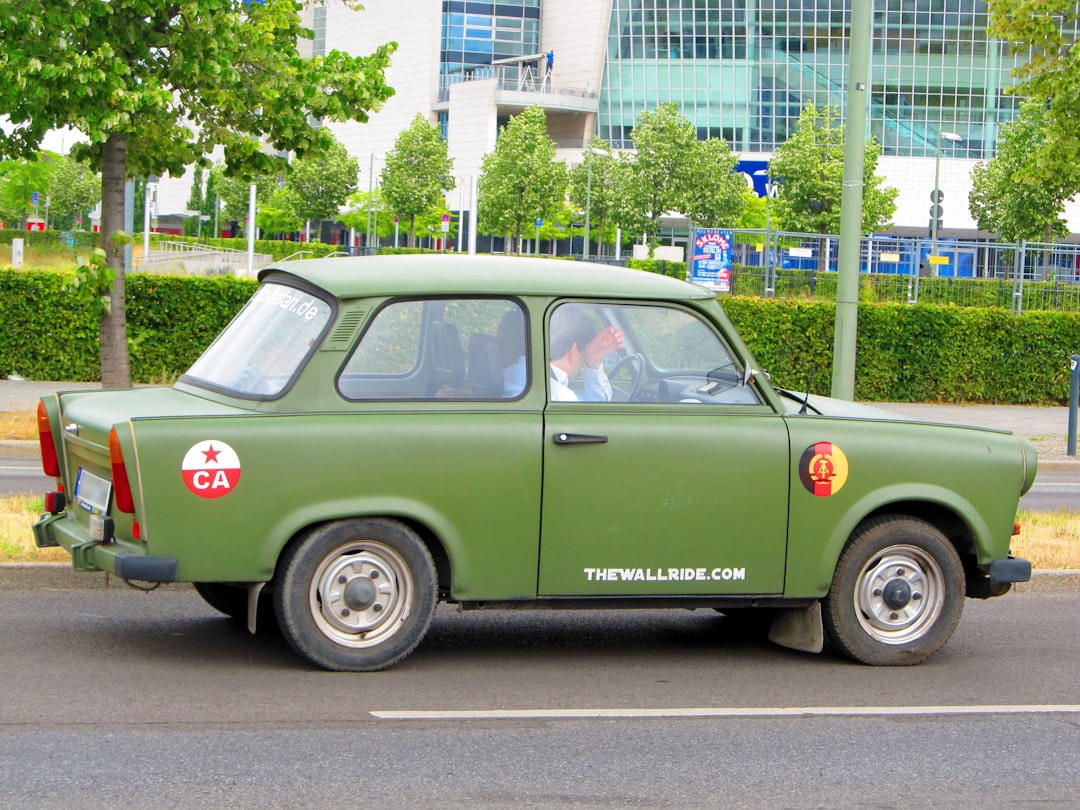
Germany's car industry faces declining profits, competition from China, and shifting markets. How will German automakers adapt by 2026?
Germany’s automotive industry, the backbone of the country’s economy, faces unprecedented challenges as it heads into 2026. Once the pillar of manufacturing excellence, recent years show a steep decline in profitability and market influence. With pressures from China’s surging automotive sector, the transition to electric vehicles (EVs), and shifting geopolitical conditions, all eyes will be on the decisions made by Germany’s major carmakers in the coming months.
German Automakers: Declining Profits and Competition
The numbers coming out of 2025 paint a sobering picture for German automakers. Volkswagen, perhaps the most iconic brand in the industry, saw its profits drop drastically from €12.4 billion in 2024 to just €6.9 billion in 2025 — a level of earnings akin to its performance back in 2016. Similarly, Mercedes-Benz reported a sharp 49% drop in profits to €5.3 billion for the year. For an economy where 19.7% of the GDP comes from manufacturing and cars dominate the sector’s turnover, these figures are alarming.
One consistent theme behind these struggles is the rapid rise of China’s automotive exports. Once a massive market for German brands, China’s post-pandemic economy has changed considerably. High unemployment and bursts in speculative asset bubbles have led to Chinese consumers tightening their belts, particularly in the luxury segment. At the same time, China’s domestic EV industry has boomed, leaving German brands scrambling to keep pace with innovation and affordability.
Why China Is Critical — and Challenging
China’s importance to German automakers cannot be overstated. In the last decade, brands like Volkswagen and Porsche thrived thanks to strong Chinese demand. However, the tides have turned. Chinese automakers such as BYD and Nio now dominate the electric and combustion engine markets at home and are increasingly exporting globally. Three Chinese automakers were among the top-selling car companies worldwide in 2025.
German automakers struggled to electrify their lineup and underestimated how quickly the EV market would surge. While China introduced tech-savvy, affordable electric vehicles, German EVs often missed the mark in terms of both appeal and price competitiveness. For instance, Volkswagen’s decision to extend combustion engine production at Porsche took a €5 billion financial toll — a reversal that hit them hard in a year of declining global profits.
The Tariff Troubles: Navigating Geopolitics
Tariffs have become another thorn in the side of German carmakers, particularly under the renewed Trump administration in the United States. German brands such as BMW and Volkswagen invested heavily in factories in Mexico to lower production costs while targeting the American consumer. But erratic tariff implementations turned this strategy against them, with Porsche alone reportedly losing up to €3 billion in potential revenue. Manufacturing high-value goods like luxury cars leaves no room for swallowing 10-20% tariffs, forcing companies to localize production in markets like the U.S., which adds time and expenses.
Bright Spots: Audi and BMW Offer Strategic Lessons
Amid the gloom, Audi and BMW provided glimmers of hope. Audi recorded a 10% rise in profits in 2025, aided by strong sales of its fully electric models and cost-cutting measures. This highlights the importance of producing attractive EVs for a competitive market. Meanwhile, BMW’s Spartanburg, South Carolina plant positioned the brand to mitigate tariff-related losses, as 55% of U.S.-sold BMW cars are now domestically manufactured. Additionally, BMW’s lesser reliance on the Chinese market — with only 25% of sales dependent on China compared to Mercedes-Benz’s 30% — shows the benefits of diversification.
Lessons for 2026: What Must Change
With these insights in mind, 2026 becomes a pivotal moment for Germany’s car industry. Automakers will need to address key challenges:
- Enhanced EV Offerings: German companies must innovate and bring EVs that resonate with both Chinese and European consumers. Audi’s success with its electric line provides a roadmap. Volkswagen and Mercedes-Benz need to emulate this shift without further operational missteps.
- Localized Manufacturing: Tariffs aren’t disappearing, so expanding production within key markets like the U.S. should be prioritized. BMW’s Spartanburg factory is a model for German carmakers looking to minimize geopolitical risks.
- Strategic Diversification: Reducing reliance on China while engaging with other emerging markets such as India or Southeast Asia could buffer revenue against unpredictable economic swings in existing core regions.
German automakers have already begun returning to their legacy brand aesthetics, such as Volkswagen reviving its iconic Polo and BMW mirroring classic designs with modern electrification. This strategy conveys both trust and familiarity to their home markets. However, the global appeal of German cars will also depend on whether they can match the tech-forward, affordable designs emerging from Chinese competitors.
Practical Takeaways
- Cost Management: Recent cost management improvements show promise, with new models reportedly selling out months ahead of schedule. Focused execution on profitability can empower companies to invest further in innovation.
- European Reassurance: While developing innovative products for emerging markets, automakers must remind European consumers of their established strengths: reliability, sophistication, and cutting-edge technology.
- Adaptation to Market Tastes: Despite the challenges in China, German brands can still capitalize on the premium EV market elsewhere if they adapt quickly enough.
Conclusion
Germany’s automotive sector is at a crossroads. The decisions taken in the next year will determine whether automakers like Volkswagen, Mercedes-Benz, and BMW can regain their footing in the global market. Success depends on improved EV competitiveness, diversification of production and markets, and navigating tariff challenges effectively.
By taking cues from brands like Audi and BMW, which saw more stable results despite widespread industry downturns, German automakers can strive to overcome obstacles. As 2026 approaches, the race is on for these storied companies not just to catch up but to redefine their standing in a fast-evolving global market.
Staff Writer
Nina writes about new car models, EV infrastructure, and transportation policy.
Comments
Loading comments…


