The foods driving visceral fat — and how to reverse their impact
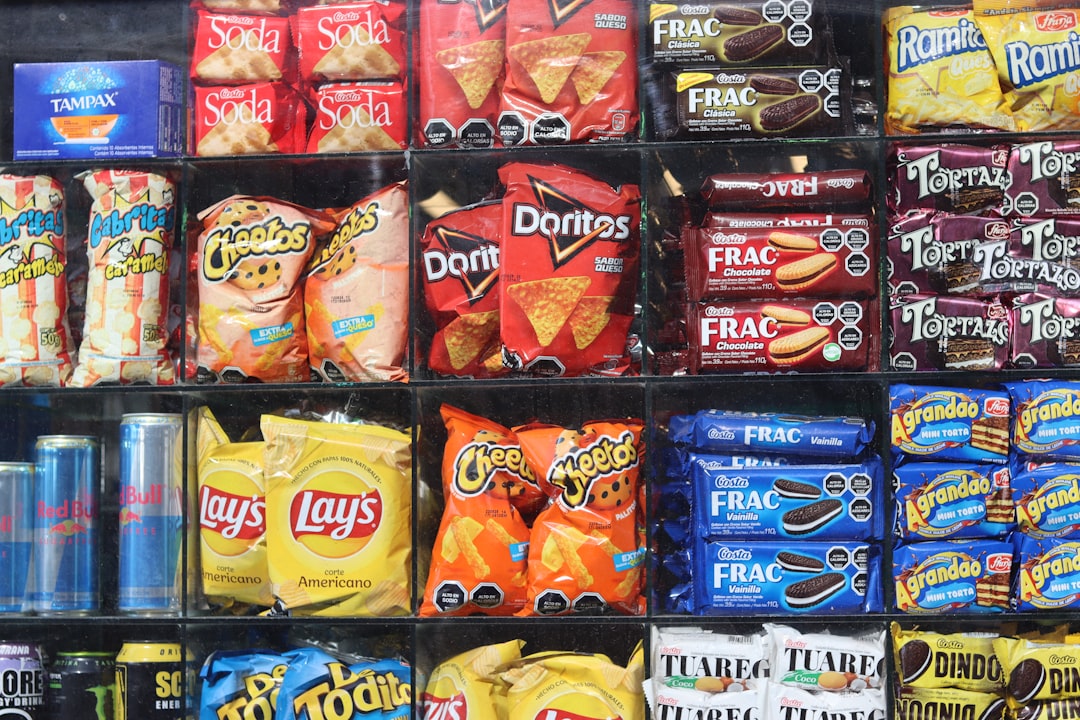
Research reveals specific foods linked to visceral fat, a dangerous type of body fat, and strategies to reduce it effectively.
Visceral fat, the deep abdominal fat that surrounds vital organs, is increasingly recognized as a major health concern. Unlike subcutaneous fat—the kind you can pinch just beneath the skin—visceral fat is metabolically active, linked to chronic inflammation, and associated with a higher risk of insulin resistance and cardio-metabolic diseases. A recent study published in Nature Communications has shed light on the dietary contributors to this fat, while also offering insights into strategies to combat it. Here's what you need to know.
What makes visceral fat different?
Previous research treated all fat as inert storage for calories, but scientists now know that fat tissue actively influences the body’s metabolism and immune function. Subcutaneous fat can even serve beneficial roles, such as secreting hormones like leptin, which regulates appetite. In contrast, visceral fat behaves like an inflammation factory, secreting cytokines such as TNF-alpha and IL-6, which fuel systemic inflammation. Furthermore, visceral fat is tied to insulin resistance through the production of RBP4 (retinol-binding protein 4), which impairs how muscles respond to insulin.
This dangerous combination means visceral fat isn’t just unsightly—it’s a silent contributor to serious health risks, including heart disease and type 2 diabetes. According to a massive meta-analysis in the British Medical Journal, increased central fatness significantly elevates mortality risk, while fat stored in other areas like hips and thighs may even have protective benefits.
The five dietary culprits behind visceral fat accumulation
Recent studies have highlighted five key offenders that drive the accumulation of visceral fat. Let’s break them down:
1. Trans fats
Trans fats, commonly found in partially hydrogenated oils, are notorious for their negative impact on health. A study published in Obesity examined the effects of trans fats on monkeys over six years. Animals consuming just 8% of their energy from trans fats gained significantly more visceral fat without necessarily consuming more calories than those on a diet rich in monounsaturated fats. This suggests trans fats don't just add weight—they alter where the fat is stored, steering it toward the visceral region. Examples include hydrogenated soybean oil often found in packaged snacks and fast foods.
2. Ultra-processed foods
Ultra-processed foods, including soft drinks, packaged snacks, processed meats, and pre-prepared meals, are another major contributor. A study in Clinical Nutrition examined dietary habits of over 1,400 older Spaniards, finding that higher consumption of ultra-processed food was strongly correlated with increased visceral fat levels. The issue, however, is pronounced in countries like the United States, where upwards of 60-70% of daily energy intake comes from ultra-processed foods, according to the British Medical Journal. Disruption of the gut microbiome due to ingredients like emulsifiers and preservatives may further exacerbate visceral fat accumulation.
3. Sugary beverages (sodas)
Sugar-sweetened beverages like sodas have been linked to targeted visceral fat storage. Studies in The Journal of Nutrition and Obesity revealed that regular soda consumption significantly increased visceral fat in participants. This isn’t just a matter of “empty calories.” Fructose, a key ingredient in sodas, activates enzymes like lipoprotein lipase (LPL) disproportionately in visceral fat reserves, contributing to insulin resistance and fat redistribution deep within the abdominal cavity.
4. Fruit juice
Though marketed as healthy, fruit juice can deliver even higher levels of fructose than soda. Beverages like grape, pomegranate, apple, and pear juices often lack the fiber found in whole fruits, removing the natural “brakes” that regulate sugar metabolism. Studies in Nutrition show such juices contain alarming fructose levels—over 67% in some cases—making them a hidden driver of visceral fat.
5. Alcohol
Excess alcohol consumption, particularly beer, has long been associated with “beer bellies.” A study in The Annals of Nutrition and Metabolism used advanced CT scans to demonstrate that higher alcohol intake correlated with higher visceral fat. Women, in particular, appear more prone to storing fat viscerally from alcohol consumption, possibly due to hormonal factors. Beer, worse than wine or liquor, may carry additional risks due to its estrogenic compounds.
How to reduce visceral fat
Lowering visceral fat requires strategies that focus on its unique metabolic properties. Here are research-backed approaches to help reduce this harmful fat:
1. Target visceral fat specifically
One major takeaway from Nature Communications is that health markers improve when visceral fat decreases, even if overall body weight remains stable. Making visceral fat a focus, rather than just chasing the scale, is a smarter goal for overall health.
2. Structured eating patterns
Recent research published in Obesity compared intermittent fasting combined with protein pacing to traditional calorie-restriction diets. Protein pacing involved consuming 35% of daily calories from protein, spread over four meals a day during non-fasting periods. This approach led to a 33% reduction in visceral fat within eight weeks, significantly outperforming calorie restriction alone. Protein reduces hunger better than fats or carbohydrates, making the diet easier to stick to long-term.
3. Gut health and the microbiome
The gut microbiome plays an indirect yet powerful role in visceral fat accumulation. Diverse gut bacteria positively influence how the body stores fat. Diets high in prebiotics (found in foods like onions, garlic, and asparagus) and probiotics (such as yogurt and fermented foods) can help restore microbial balance and reduce inflammation, which drives visceral fat.
4. Limit fructose—but not fruit
While fructose in processed food and drinks causes visceral fat accumulation, whole fruits are less problematic. Rich in fiber, vitamins, and other nutrients, fruits like berries and citrus offer a better nutrient-to-sugar ratio. As dietary fiber slows sugar absorption, the body processes it more healthily, avoiding fat misallocation into visceral compartments.
5. Exercise strategically
Physical activity, especially high-intensity interval training (HIIT) and resistance training, targets visceral fat more efficiently than steady-state cardio. Combined with diet, exercise amplifies fat-burning mechanisms and improves insulin sensitivity.
A clear path forward
The evidence is clear: reducing foods that contribute to visceral fat, such as trans fats, ultra-processed foods, sugary drinks, fruit juice, and alcohol, is not merely about cutting calories. It’s about eliminating the metabolic signals these foods create. Pairing dietary changes with strategies like intermittent fasting, protein pacing, and gut health optimization could yield rapid and substantial health improvements—sometimes in as little as eight weeks.
Visceral fat isn’t just a cosmetic issue; it’s a critical health target. Focusing on the right foods and habits may significantly lower the risk of chronic diseases while improving overall well-being.
Staff Writer
Lauren covers medical research, public health policy, and wellness trends.
Comments
Loading comments…


