NASA Prepares Artemis II Rocket for April 1 Moon Mission
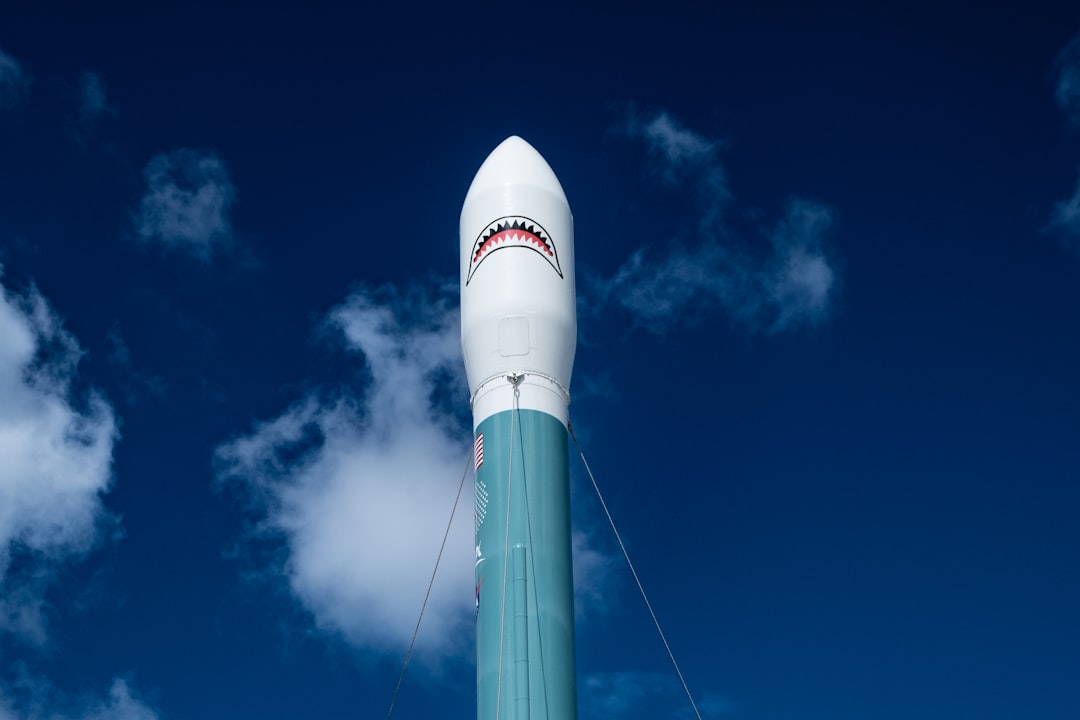
NASA's Artemis II rocket rolls out for its first crewed moon mission in 50 years, paving the way for deeper space exploration.
NASA is making strides towards its historic Artemis II mission by rolling the rocket out to the launchpad ahead of its tentative April 1 liftoff. This mission will send astronauts closer to the moon than any crewed mission in over 50 years, marking a significant leap in human space exploration. The rocket’s rollout highlights NASA’s careful preparation for the highly anticipated event. Here's what you need to know about this historic step.
Artemis II Rollout: A Key Milestone
On the evening of March 28, NASA’s Artemis II rocket is scheduled to roll from the Vehicle Assembly Building (VAB) to its designated launchpad at Kennedy Space Center. The movement requires NASA’s Crawler Transporter 2—a massive vehicle capable of carrying the 32-story rocket at a meager pace of 1 mile per hour. The short trip, spanning only a few miles, is anticipated to take up to 12 hours due to the transporter's limited speed. NASA officials are closely monitoring weather conditions, including wind levels, which could delay the rollout if deemed unsafe.
The Artemis II rocket was last seen on the launchpad in January for a “wet dress rehearsal,” a standard procedure that simulates the countdown and fueling process. However, technical challenges during and after the rehearsals caused NASA to roll the rocket back to the VAB for adjustments. Engineers have since addressed those issues, and NASA feels confident about moving forward.
Mission Overview: Artemis II and Its 10-Day Journey
Artemis II represents the second step in NASA’s Artemis program, which aims to establish sustainable human exploration of the moon and prepare for eventual missions to Mars. The upcoming 10-day lunar mission will involve testing key systems and will push human spaceflight further than it has ventured in five decades. The crewed spacecraft will orbit the moon without landing before returning safely to Earth. The mission’s goal is to validate Orion spacecraft systems and evaluate the hardware's capacity for extended space travel.
For comparison:
| Aspect | Artemis I | Artemis II |
|---|---|---|
| Crew | None (Uncrewed) | 4 astronauts |
| Duration | 25 days | 10 days |
| Objective | Test systems and reentry | Fly humans around the moon |
| Distance from Earth | ~280,000 miles | Further than Artemis I |
The Historic Crew of Artemis II
Artemis II will be crewed by four astronauts who are currently in a controlled quarantine to minimize health risks prior to the mission. In Houston, they remain isolated and under medical observation, procedures designed to ensure optimal conditions for their journey into space. Five days before the anticipated launch, the crew will travel to Kennedy Space Center to continue their quarantine. This disciplined approach is a testament to the immense care NASA takes in planning human spaceflights.
So far, NASA has not named the specific astronauts for Artemis II, but they will be a diverse team of experienced personnel, signaling the agency’s commitment to inclusion and representing a wide spectrum of humanity. Once aboard the spacecraft, they will embark on their historic mission deeper into space than any human crew before them.
No Plans for Additional Rehearsals
Following a press conference, NASA confirmed it does not plan to conduct a third wet dress rehearsal for Artemis II. The decision to forego another full-scale systems test indicates that NASA engineers are confident in the hardware, software, and safety measures implemented since the initial rehearsals. However, the agency continues to scrutinize system health and weather conditions leading up to the April 1 date.
Weather remains a critical aspect of this mission. High winds can delay not only the rollout but also the final launch. Close monitoring of conditions around the Space Coast will be essential to ensuring Artemis II lifts off on schedule.
Practical Implications for Space Exploration
Artemis II is more than a milestone for NASA; it’s a critical step toward humanity’s deeper foray into space. By testing systems and proving concepts for missions beyond low Earth orbit, NASA is laying the groundwork for more ambitious efforts, such as the Artemis III mission, which aims to land astronauts on the lunar surface as early as 2025.
The outcomes of Artemis II will define the next decade of space exploration. Successfully completing this mission validates the Orion capsule’s capabilities, NASA’s ability to transport humans into deep space, and the infrastructure supporting such missions. Each milestone brings us closer to establishing a sustainable human presence on the moon and beyond.
Conclusion
As the Artemis II rocket prepares to make its slow trek to the launchpad, excitement is building for this groundbreaking mission. By sending humans around the moon for the first time in more than 50 years, NASA is not just revisiting past achievements—it’s paving the way for deeper and farther-reaching space exploration. With a tentative launch date set for April 1, and meticulous planning underway, the world eagerly awaits the dawn of a new era in space travel.
What comes next for Artemis II will not only make headlines but also inspire future generations to look beyond our earthly horizon.
Staff Writer
Emily covers space exploration, physics, and scientific research. Holds a degree in astrophysics.
Comments
Loading comments…


