NASA unveils ambitious plan to build a moon base by 2028
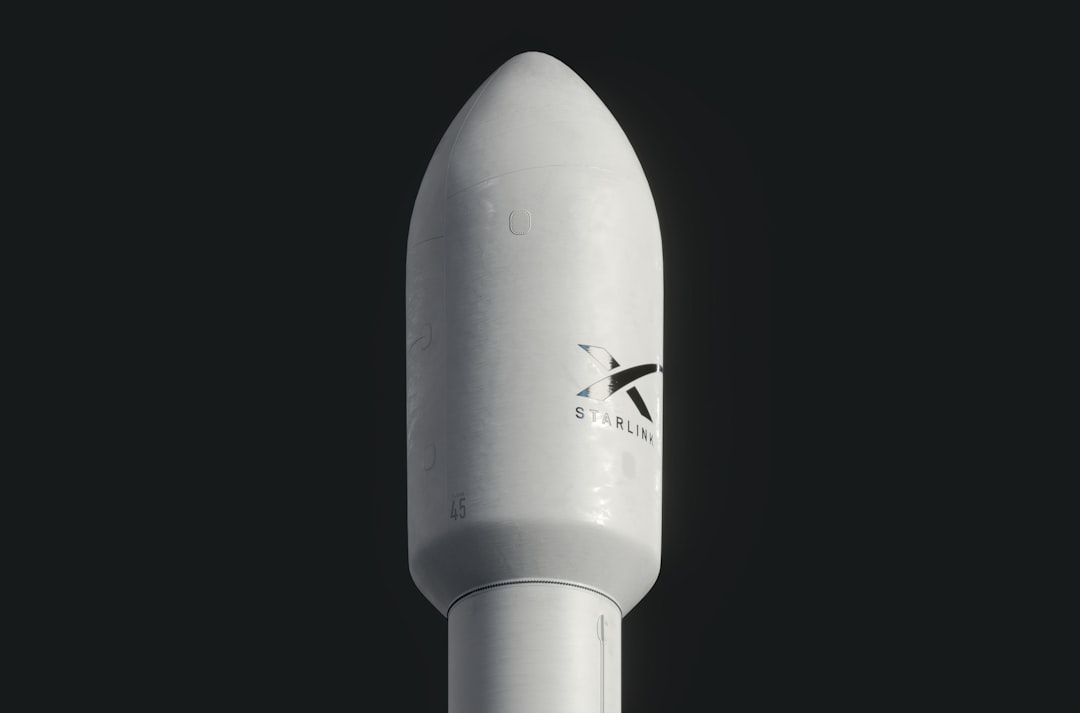
NASA Administrator reveals plans to establish a permanent moon base by 2028, leveraging the Artemis program and advanced technologies.
NASA’s Plan to Establish a Permanent Presence on the Moon
NASA Administrator Isaacman recently outlined the space agency’s bold lunar ambitions, detailing a plan to build a permanent moon base by 2028. The endeavor is part of the Artemis program, a cornerstone of the national space policy. The plan aims to return humans to the moon with sustainable operations, a project that aims to go far beyond the iconic Apollo missions of the 1960s and 1970s.
Addressing the initiative during an event called "Ignition" at NASA headquarters, Isaacman explained that the key milestones include the upcoming Artemis II mission, new rocket launch cadences, and advancements in interplanetary technologies. This initiative is tied to a broader goal of maintaining U.S. leadership in space exploration and preparing for deeper space missions, including to Mars.
Artemis Program: Back to the Moon
The Artemis program, named after Apollo’s twin sister, is NASA's flagship effort to return to the moon. Here are some of the key steps the program will take:
- Artemis II: Scheduled to launch in the near future, this mission will send four astronauts beyond the moon. Among the crew is Christina Koch, a mission specialist who will become the woman who has traveled farthest into space.
- Artemis III and IV: Designed to further improve systems and collaboration among lander and spacecraft components, ensuring reliable moon landings. Artemis IV, expected in 2028, is slated to return humans to the lunar surface.
- Permanent Base Development: Unlike the Apollo era, this mission intends to establish a base, creating a sustainable human presence on the moon to support future exploration.
Addressing the Challenges of Lunar Exploration
Responding to questions about why it’s taken so long to return to the moon since the final Apollo mission in 1972, NASA pointed to several factors. For decades, the focus shifted to low Earth orbit (LEO) projects like the International Space Station (ISS). The ISS has provided invaluable lessons in life sciences, engineering, and microgravity research. However, reaching the moon presents entirely different challenges.
For context:
- The ISS orbits Earth at speeds of up to 17,500 mph with a thrust of 1.8 million pounds.
- Moon-bound missions require escape velocity speeds of 25,000 mph and a rocket capable of generating 8.8 million pounds of thrust.
This involves not only building more powerful rockets, such as the Space Launch System (SLS) used in Artemis missions, but also creating infrastructure to support long-term stays. The advancements learned from the ISS will now be applied to the Artemis program as NASA works to meet the challenges posed by lunar gravity, radiation exposure, and resource utilization.
Timeline and Key Technologies
The Artemis program includes an aggressive timeline:
| Phase | Timeline | Highlights |
|---|---|---|
| Artemis II | Launch ~2024 | Four astronauts will orbit the moon without landing. |
| Artemis III | Launch ~2025 | System tests of the lunar lander. |
| Artemis IV | Launch ~2028 | Human landing on the moon, establishing the groundwork for the moon base. |
Key technologies for the program include:
- Space Launch System (SLS): NASA is ramping up its launch cadence. While SLS missions were previously set to occur every three years, the program will increase frequency to generate the necessary “muscle memory” for reliable launches.
- Nuclear-powered interplanetary spaceships: These vehicles will eventually be used for Mars exploration but will first help expand lunar science capabilities.
- Enhanced landers and habitats: Systems capable of keeping astronauts safe during extended periods on the moon.
A Collaborative Effort
NASA’s return to the moon is not a solo endeavor. It includes contributions from:
- International Partners: Agencies like the European Space Agency (ESA) and others will provide vital components.
- Commercial Sector: Companies like SpaceX are already developing lunar landers and other technology to complement NASA’s missions.
- Space Enthusiasts and Researchers: Involving the larger scientific community ensures the missions advance deeper understanding of our satellite.
Why These Missions Matter
Expanding our presence on the moon is not purely symbolic. The moon serves as a testing ground for deeper space exploration. For instance:
- Testing Long-term Habitation: Ensuring astronauts can live and work safely for extended periods.
- Unlocking Lunar Resources: Investigating the potential for using the moon’s resources, such as water ice, to support missions.
- Preparing for Mars: The moon offers a stepping-stone for human missions to Mars, simulating conditions astronauts might encounter on the red planet.
Conclusion
NASA’s timeline for returning to the moon is ambitious but represents the next logical step in human exploration. With significant technological advancements and lessons from the International Space Station, NASA is set to push the boundaries of what is possible in space. The Artemis program holds the promise of not only reaching new milestones but also inspiring generations to come as the first permanent moon base comes to life.
The countdown to 2028 has officially begun.
Staff Writer
Daniel reports on biology, climate science, and medical research.
Comments
Loading comments…


