The new space race: United States and China compete for lunar dominance
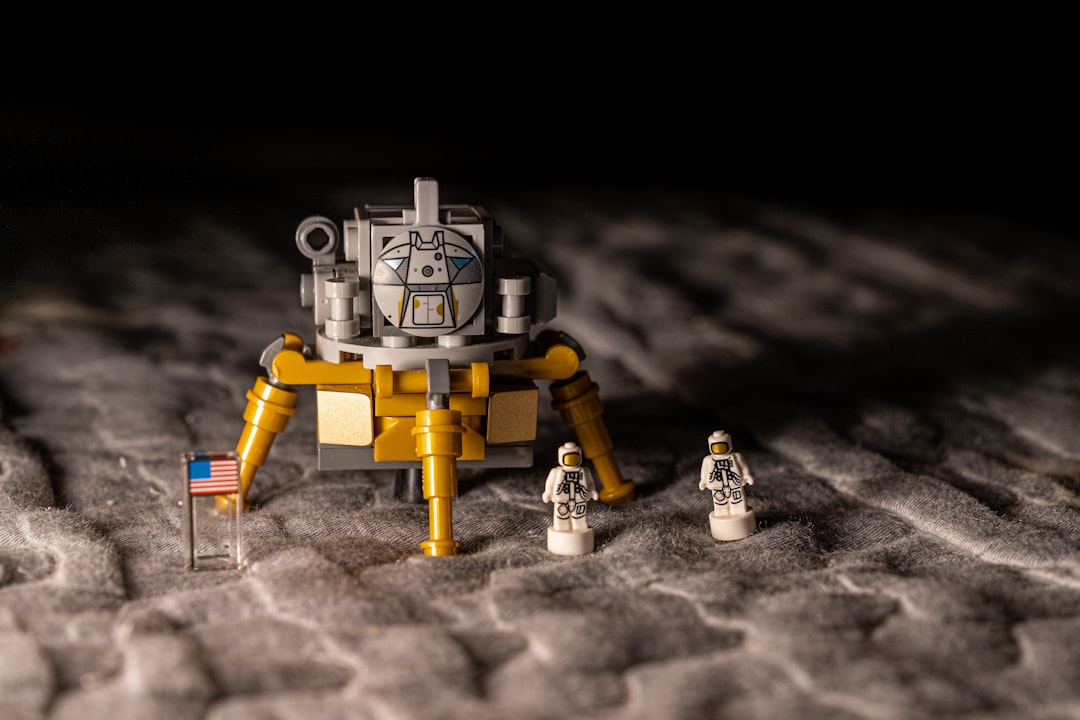
The global space race heats up as the U.S. and China vie to return humans to the moon, signaling a new era of lunar exploration and competition.
The quest to return humans to the moon has taken on a new urgency, with the United States and China emerging as the central players in this modern space race. For the U.S., NASA’s Artemis program seeks not only to recreate the 1969 lunar landing success but to establish a sustainable presence on the moon. Meanwhile, China’s state-run space program has ambitious plans to land astronauts by 2030. Here’s a closer look at the developments propelling this new race to the lunar surface.
NASA’s Artemis Program: Aiming Beyond the Apollo Era
The Artemis program represents the U.S.’s most ambitious space initiative since the Apollo missions. Unlike its predecessor, Artemis seeks to build long-term infrastructure on the moon, aiming to enable human habitation and further scientific research. Recent developments serve as stepping stones toward this objective, including Artemis I’s uncrewed mission around the moon. Artemis II, a crewed lunar flyby, is scheduled as the next major milestone. However, the U.S. faces hurdles in its push for a successful moon landing.
Challenges for NASA
Although the U.S. has the benefit of experience, securing adequate funding has remained a sticking point. Experts have expressed concerns about whether NASA has the political and economic backing necessary to meet its deadlines. Additionally, NASA is leaning heavily on partnerships with private companies like SpaceX and Blue Origin to develop cutting-edge technology for sustained lunar operations. This makes the timing of Artemis III and IV more complex. The program aims not just to plant a flag but to make living and working on the moon a reality, which significantly raises the level of technical requirements.
China's State-Run Lunar Ambitions
China has rapidly progressed its space exploration capabilities, with milestones such as the Chang’e lunar rover missions and the establishment of its modular Tiangong space station. As part of its manned lunar ambitions, China has set a goal to land astronauts on the moon by 2030. Analysts generally regard China’s ability to stick to deadlines as a significant strength. The country has poured substantial political will and resources into its space program, which, unlike NASA, operates without relying on private-sector collaboration.
A Distinct Approach
China's centralized approach positions its program differently from NASA. With a state-run model, Beijing controls every aspect of its lunar exploration efforts, minimizing fragmentation but potentially stifling innovation. By contrast, NASA’s style includes forging competitive contracts with firms like SpaceX, which can encourage revolutionary designs at speed.
Why the Moon Matters
The renewed interest in the moon ties into more than national pride. Beyond serving as a launchpad for deeper deep-space missions, the moon offers a unique environment for scientific investigations and resource extraction. Areas on the lunar south pole are of particular interest for both nations. These rare "campsites"— rich in water ice, sunlight, and navigable terrain— could support long-term human habitation and fuel processing.
Strategic Implications
However, the race to these prime locations underscores the geostrategic stakes. If either the U.S. or China establishes a robust presence on the moon's surface ahead of the other, it could grant that nation an outsized role in setting the rules for the future of lunar exploration. Some experts argue this could lead to tensions over space governance, highlighting why the lunar race is about more than technology—it’s about wielding influence in the final frontier.
Key Differences in Programs
| Aspect | NASA (U.S.) | China’s Space Program |
|---|---|---|
| Funding Model | Public-private partnerships, private firms like SpaceX | Entirely state-funded |
| Focus | Long-term lunar infrastructure | Manned lunar landing, resource extraction |
| Timeline for Landing | Artemis IV expected after the 2020s | 2030 |
Implications for Global Space Collaboration
While the U.S. and China focus heavily on competition, there is an argument to be made for collaboration in the future. Both countries stand to benefit from shared knowledge, particularly when eyeing more ambitious goals such as Mars excursions. But for now, it’s clear that the race to the moon symbolizes a broader technological contest, echoing Cold War rivalries. The winner is poised to dictate the pace and shape of future exploration efforts.
Practical Learnings from These Lunar Missions
For science enthusiasts or aspiring engineers, the Artemis program and China's lunar initiatives teach us a lot about problem-solving. Astronauts Jessica Meir and Chris Williams’ recent spacewalks on the International Space Station are a reminder of the precision and adaptability needed to test equipment and train for future moon endeavors. Meir even highlighted how pressurized suits reduce dexterity during mission-critical repairs. To reach the moon, NASA and its astronauts have to push every technological boundary while managing resources under challenging environments.
Key Takeaways for the Public
- The race underscores the transformative power space innovation holds for life on Earth, ranging from improved telecommunications to mineral discoveries.
- The sustainability of lunar missions depends heavily on international cooperation and budgetary support.
- Strategic challenges, like staking claims to lunar resources, might turn future collaboration into competition.
Conclusion
The U.S.-China moon race is about much more than reviving the glory days of Apollo. It's a quest to achieve technological mastery and establish viable, long-term human activities beyond Earth. As both nations ramp up their missions, what unfolds will have lasting implications, not just for space exploration but for geopolitical dynamics at large.
Staff Writer
Daniel reports on biology, climate science, and medical research.
Comments
Loading comments…


