The science and controversies behind nuclear weapons testing
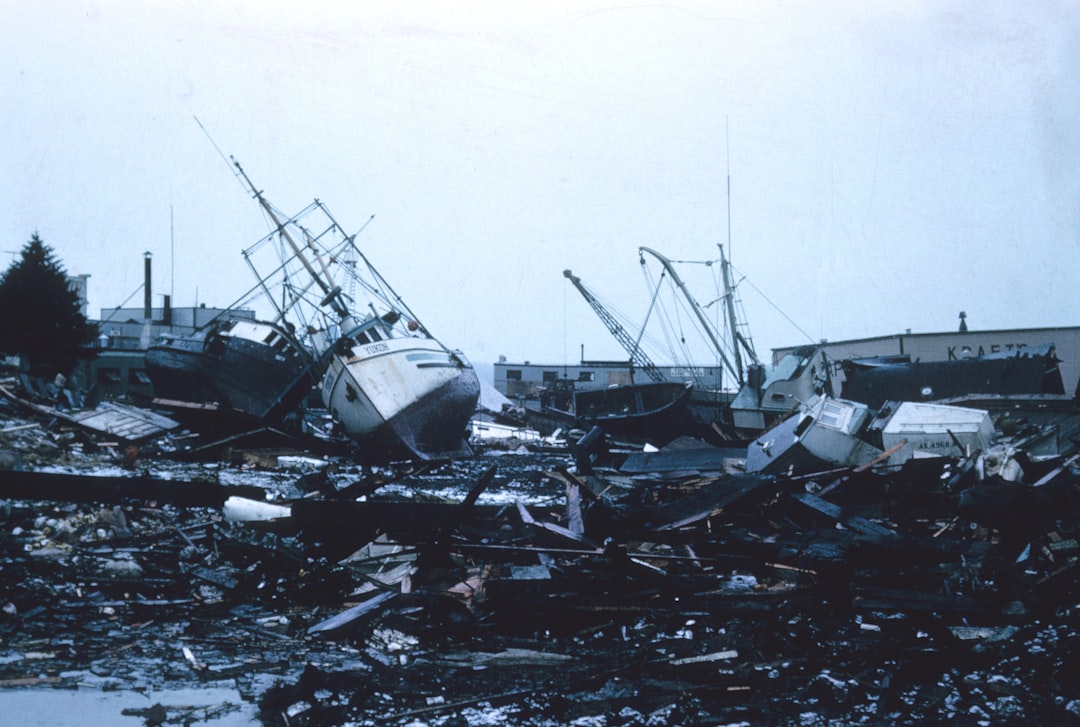
Examining the history, science, and modern-day implications of nuclear weapons testing, including the U.S. stockpile program and global risks.
Nuclear weapons testing: A historical and scientific overview
The United States has not conducted a nuclear weapons test since 1992, marking more than three decades of restraint following a long-established global taboo. However, recent discussions about potentially resuming nuclear testing have renewed debates about the practice's consequences. With an aging nuclear arsenal and ongoing modernization efforts, pressure to test has reached its highest level in decades.
Nuclear weapons, while seldom discussed in daily life, carry the power to unleash destruction on a scale without precedent. Should a major nuclear war occur, the immediate deaths of hundreds of millions would be compounded by long-term environmental changes, including global cooling and widespread famine, which could lead to billions of deaths globally. Today, the United States and Russia each possess over 5,000 nuclear weapons, while several other nations maintain smaller arsenals. Understanding the science behind nuclear testing and its potential risks is critical in assessing the impact of any potential policy shifts.
The science of nuclear reactions
Nuclear weapons function through two primary types of reactions: fission and fusion.
- Fission: The splitting of large atomic nuclei, such as plutonium or uranium, to release energy. One fission reaction triggers a self-sustaining chain reaction, multiplying the energy output.
- Fusion: The merging of smaller atomic nuclei to form a larger nucleus, releasing significantly more energy than fission. Fusion reactions amplify the total energy yield of a nuclear blast.
Modern nuclear weapons rely on both processes. An initial fission reaction sparks a fusion reaction, exponentially increasing the weapon's destructive power. During the era of active nuclear testing, detonating weapons allowed scientists to verify the mechanics of these reactions firsthand. Testing confirmed whether newly designed warheads worked as expected, providing critical data.
From testing to today: The U.S. stockpile stewardship program
Since the cessation of explosive nuclear weapons testing in the 1990s, the United States has relied on the Stockpile Stewardship Program to ensure its nuclear arsenal remains functional. This program combines high-tech experiments with computer simulations to analyze how weapons perform without causing full-scale detonations.
One of the major focuses is on subcritical experiments, which are carried out at sites like the Nevada National Security Site. These experiments use small amounts of plutonium and conventional high explosives to study the behavior of weapon materials under stress. Subcritical means that the conditions created fall short of initiating a self-sustaining nuclear chain reaction, ensuring there is no nuclear explosion. X-ray imaging and other diagnostic tools are used to closely examine the results, allowing scientists to gather insight into the core functionalities of nuclear pits, the hollow plutonium spheres at the heart of nuclear weapons.
Aging weapons and long-term concerns
The U.S. nuclear stockpile consists of decades-old warheads, most of which were manufactured during the Cold War. A key concern addressed in subcritical experiments is how materials like plutonium age over time. Could aging or material degradation impair a weapon's ability to function as expected? Or perhaps worse, could such degradation cause unpredictability in an emergency situation? These are questions researchers aim to resolve without resorting to full-scale nuclear tests.
Historical and global consequences of explosive testing
Nuclear weapons testing began in 1945 and continued robustly throughout the Cold War until the 1990s, with more than 2,000 tests conducted globally. Early tests were atmospheric, releasing harmful radioactive fallout into the environment. Communities near test sites were often displaced, and others faced long-term health effects from radioactive contamination.
To limit these environmental and public health impacts, later tests moved underground, where radioactive materials were generally contained. However, occasional accidents during underground tests still leaked radiation. Rising awareness of such dangers, combined with the growing effectiveness of non-explosive experiments, led to a global slowdown in testing efforts. Only North Korea has violated the testing taboo in the 21st century, conducting its first nuclear test in 2006.
Would resuming tests spark a global arms race?
Proponents of resuming nuclear testing argue that explosive experiments offer unparalleled insight into weapon performance. Critics in the scientific and political communities counter that the risks far outweigh any potential benefits.
The reintroduction of large-scale nuclear testing could undermine decades of non-proliferation efforts, potentially accelerating a new global arms race. Other nations—already distrustful of the United States' or another country's intent—might decide to resume their own tests, reversing the progress made since the 1990s. Countries without nuclear weapons might even interpret the revival of nuclear testing as a signal to develop their own arsenals, further destabilizing global security.
Modern advances in research: The end of the testing era?
Advances in diagnostics, materials research, and computational modeling may have rendered full-scale nuclear testing unnecessary, according to many scientists. Subcritical experiments and computer simulations provide detailed insights into how nuclear weapons work under various conditions without the environmental and political costs of detonations. These tools allow scientists to predict weapon performance reliably, even as some components age.
However, some experts caution that simulations and experiments may not fully replicate the conditions of a real nuclear explosion. This perspective fuels the debate over whether periodic explosive tests should occur to supplement the findings of subcritical tests and simulations.
Practical takeaways: A precarious balancing act
- Nuclear weapons remain globally significant: They serve as deterrents under doctrines of mutually assured destruction. However, the risks of proliferation, misuse, or accident continue to demand stringent safeguards.
- Advances in stockpile management: Programs such as the U.S. stockpile stewardship reduce the risks posed by aging nuclear arsenals. Subcritical experiments and other non-explosive methods deepen understanding without the risks of full-scale detonations.
- Revisiting the testing taboo may backfire: A return to nuclear testing could not only destabilize international relations but also lead to irreversible human and environmental harms. Advocates and opponents must weigh comprehensive scientific data, historical lessons, and political realities when addressing this topic.
Conclusion: A question of necessity versus risk
Nuclear testing, once a backbone of Cold War strategy, has given way to advanced testing alternatives that eliminate explosions' catastrophic risks. While some believe explosive tests are still valuable, the growing scientific consensus indicates that modern simulation technologies are better suited to balance the need for security with environmental and ethical concerns. As nations navigate these decisions, they must carefully consider both the technical capabilities and the global ramifications of their choices.
Staff Writer
Daniel reports on biology, climate science, and medical research.
Comments
Loading comments…


