The Weirdest Smartphones Ever Made: Hits and Misses
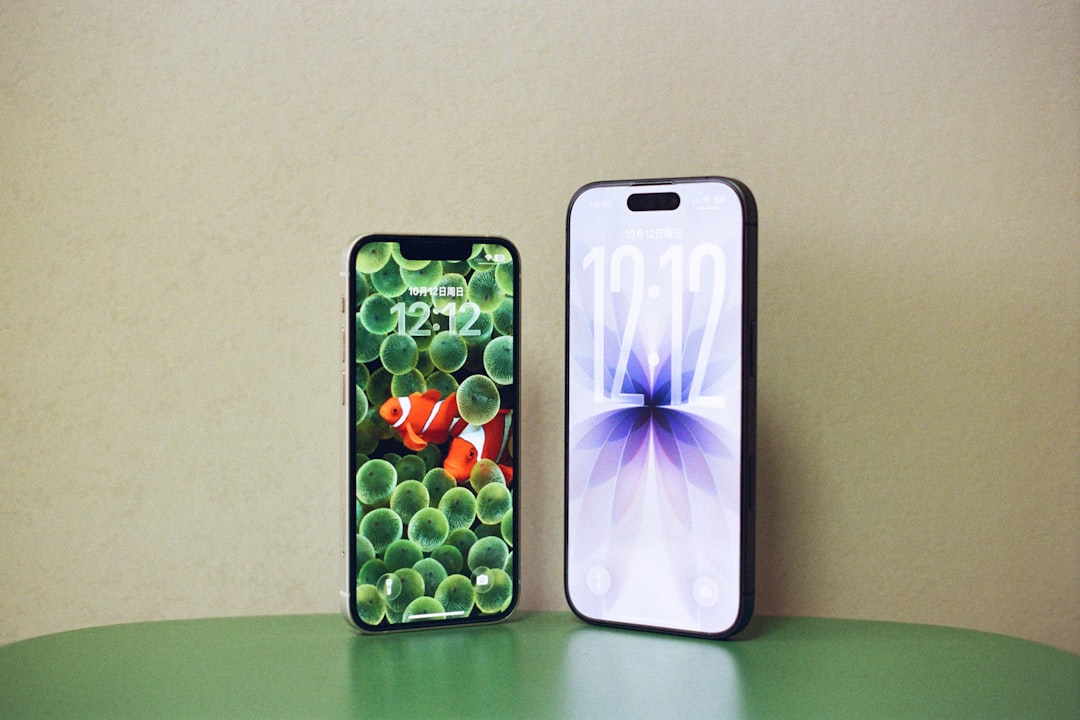
Exploring the weirdest smartphones in history, from modular designs to rotating cameras. Which innovations were game changers, and which fell flat?
In the ever-evolving world of smartphones, manufacturers occasionally stray from the conventional formula. While some of their innovations catch on, others fizzle out after failing to captivate users. From modular designs to rotating cameras, we’re exploring the strangest smartphones ever made to discover which ideas actually stuck and which ones were destined for the recycling bin.
The Minimalist Smartphone That Brings You Android
Minimalist phones have gained attention in recent years for their stripped-back designs aimed at reducing screen time. But one particular model takes this trend further by combining a minimalist black-and-white e-ink display with full Android functionality. It allows access to all Google Play apps while maintaining a visually simple, text-based interface.
Typing on the device is made easier thanks to a physical keyboard, a feature rarely seen in today's smartphones. However, there are limitations. For example, gaming or viewing media on the low-refresh-rate e-ink screen can be frustrating due to contrast problems and slower refresh rates. While it's not perfect, it represents one of the closest attempts to merge minimalism with smartphone functionality.
Interesting features of this phone include:
- Android 14 compatibility
- A 16-megapixel rear camera (photos look average on the phone, but decent once off-screen)
- Expandable storage, headphone jack, and fast wireless charging
The verdict? This e-ink Android phone offers a flexible approach to minimalism, letting users decide their level of disconnection. While not for everyone, the concept feels surprisingly practical.
Samsung Galaxy A80: The Flip-Top Camera Revolution
The Samsung Galaxy A80 might just be the poster child for quirky hardware innovation. Launched in 2019, this phone featured a motorized flip-top camera setup. Instead of multiple cameras for selfies and photos, it used one set of high-quality lenses for both purposes. It eliminated the need for a notch or hole punch, giving the A80's screen an uninterrupted look.
So, why did this idea fail to become a long-term trend? The challenges included:
- Durability issues: Moving parts are more prone to wear and tear, making the phone less resistant to water and dust.
- Space compromises: The camera’s flipping mechanism consumed valuable space that could have been used for a larger battery.
- Larger cameras: With the rise of bigger and better smartphone cameras, a flipping design became impractical.
Despite being cutting-edge at its launch, the flip-top camera ultimately proved less efficient compared to fixed designs seen in today’s flagship phones. It’s a fascinating case of innovation that couldn’t keep pace with practicality.
LG G5: The Modular Smartphone That Never Took Off
The LG G5 aimed to reimagine the phone as a modular device, allowing users to swap out components like batteries or add-ons such as camera grips or high-fidelity audio players. This allowed for customization similar to building a PC.
Key modular components:
| Module | Functionality |
|---|---|
| Hi-Fi Module | Enhanced audio output with a 32-bit DAC and jack |
| Camera Grip | Shutter button, zoom dial, and battery extension |
While the concept felt innovative, it faced two major issues:
- Each module was specific in size and hardware requirements, meaning users couldn’t mix and match components in future phone models.
- The modules became obsolete quickly and created additional e-waste as the phone aged.
Unlike LG’s bold experiment, modularity in phones has only worked for niche audiences, such as the repair-centric Fairphone models or CMF’s accessory-based hardware.
ZTE Nubia Music Phone 2: A Smartphone That Doubles as a Speaker
Marketed as the ultimate music phone, the ZTE Nubia Music Phone 2 featured three speakers designed to provide a Bluetooth speaker-like experience. Its ultra-speaker design promised to be 600% louder than an average smartphone and included retro visuals such as a spinning record animation during playback.
Unfortunately, the ambitious claims didn’t match reality. The speaker sounded similar in volume to other devices, with less clarity and poor bass performance. While a nice idea in theory, the ZTE Nubia proves that sound quality requires more than just an oversized speaker module.
The Essential Phone PH2: Reimagining a Remote Control
The Essential Phone PH1 pioneered the notch design back in 2017 and introduced the idea of snap-on modular accessories. However, its successor, the PH2, pushed boundaries even further with an ultra-tall and narrow display resembling a TV remote.
By adjusting how apps and keyboards functioned on the elongated form factor, the PH2 felt surprisingly ergonomic, even if traditional content consumption (like video watching) was cumbersome. Still, the design offered potential in creating a more feed-like scrolling experience for activities like reading or messaging.
Ultimately, the Essential PH2’s bizarre shape found some fans, but its limited media compatibility restricted its mass appeal.
Nokia 9 PureView: Five Cameras for a Single Photo
The Nokia 9 PureView took the multi-lens trend to the next level with its penta-camera design. Unlike typical setups, where each camera serves a specific function, all five lenses captured the same image at varying levels of exposure and detail. This data was then merged to create ultra-high-quality photos.
While the phone delivered stunning dynamic range and editing flexibility, several issues held it back:
- Lengthy processing times due to the 60-megapixel raw data
- Buggy software
- No ultra-wide or zoom lenses
With advancements in chip processing speeds, this concept could see a resurgence in modern smartphones, offering professional-level photography without the bulk of standalone cameras.
Lessons Learned From Strange Smartphones
These examples of quirky designs highlight how manufacturers often push boundaries but fail for various reasons. Whether it’s physical limitations, costs, or consumer preferences, not all good ideas translate into successful products. However, they also remind us that innovation often requires experimentation.
Final Takeaways
- Minimalist phones like the e-ink Android devices show promise but require more refinement to become truly practical.
- Movable parts, such as motorized cameras, often face durability challenges that outweigh their benefits.
- Modular designs hold long-term potential but require standardization and support to create an ecosystem users can rely on.
- Companies like Nokia demonstrate how innovative camera systems can have technical promise but need modern processing capabilities to be viable.
As smartphone technology evolves, many of these concepts could return in updated forms. Until then, they remain fascinating footnotes in the history of mobile devices.
Staff Writer
Alex covers consumer electronics, smartphones, and emerging hardware. Previously wrote for PCMag and Wired.
Comments
Loading comments…


