Tracing HDR Photography: Every Google Phone, From Pixel 10 to T-Mobile G1
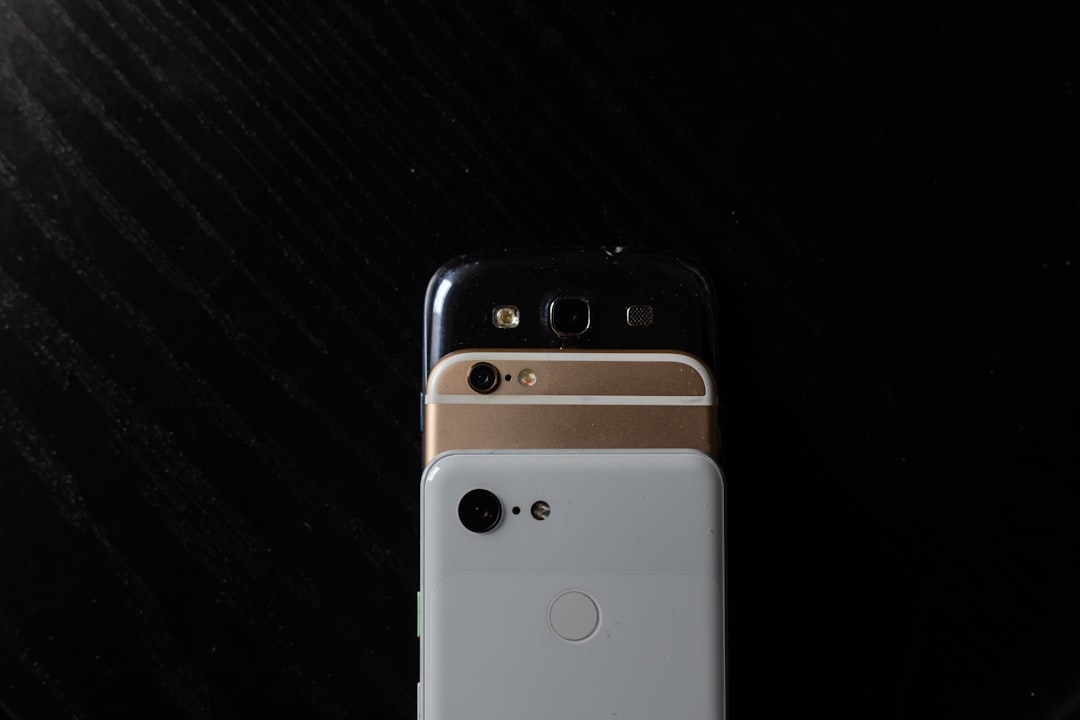
A look at how HDR photography evolved across every Google phone, from the Pixel 10 back to the T-Mobile G1, marking milestones in smartphone imaging.
High-dynamic-range (HDR) photography has become a defining feature of today’s smartphones, and few brands have pushed its boundaries like Google. Viewing HDR photos taken across the timeline of Google phones — from the modern sophistication of the Pixel 10 to the groundbreaking first Android device, T-Mobile G1 — paints a vivid picture of how far smartphone cameras have come. The evolution reveals not just a steady march of technological improvement but some key turning points that redefined what smartphone cameras could deliver.
The Pixel 10 and Today’s HDR Prowess
Let’s start with the latest entrant, the Pixel 10. Google has made significant strides in computational photography, and nowhere is this more evident than in its HDR performance. Photos taken on the Pixel 10 leverage next-generation AI to handle extreme lighting contrasts. Shadows retain detail while bright highlights avoid being overexposed — the hallmark of a well-balanced HDR shot. The camera software has introduced dynamic tone mapping, ensuring each area of the photo appears as the human eye would perceive it. This represents HDR in its most mature and systematic form. Whether you're shooting at midday sun or inside a dimly lit cafe, the Pixel 10 highlights Google's mastery of lighting conditions.
Rolling Backward Through Time
The story unfolds as we rewind to earlier models. The Pixel 6 already set a high standard, doubling down on HDR features introduced by its predecessors. It was with the Pixel 2, however, that Google truly positioned the Pixel line as the smartphone for photographic prowess, introducing HDR+ computational photography. HDR+ was revolutionary when it debuted in the Pixel 2 series. Instead of just toggling HDR on and off as many other manufacturers did, Google used machine learning to combine multiple exposures automatically, producing frames that enhanced the best lighting elements.
Contrast this to earlier models, like the original Pixel, which offered clearer HDR but lacked the range and finesse of more contemporary phones. While still computationally advanced for its time, early HDR implementations struggled with dynamic extremes, often leading to over-processed or unnatural results. Compare these results with a T-Mobile G1 image, and the difference is stark.
What About the Pre-Pixel Era?
While the more recent devices underscore incredible advancements in HDR and computational photography, pre-Pixel devices like the Nexus series and the fabled T-Mobile G1 show how humble beginnings shaped today’s achievements. The T-Mobile G1 was the world’s first Android phone, released in 2008, and its camera was strictly utilitarian. Forget HDR; the 3.15MP fixed-focus sensor was hard-pressed to deliver quality under anything but perfect lighting. Photos were grainy, poorly exposed, and offered little scope for creativity.
Jump forward to the Nexus series, and you begin to see the seeds of Google’s photographic identity. The Nexus 5 brought HDR+, albeit primitive by today’s standards, and gave users a taste of what HDR-enhanced photos on mobile could do. The game-changer came with Google’s full commitment to photography with the inaugural Pixel 1. From then on, HDR+ became a core feature, paving the way for the dominance Pixel devices eventually achieved in the smartphone photography market.
How HDR Defined Google’s Camera Legacy
A key takeaway from this journey is the clear role HDR photography has played in making Google phones synonymous with smartphone imaging excellence. By using deliberate exposure bracketing, AI algorithms, and image fusion, Google transformed a niche feature into a cornerstone of mobile photography. Without it, the Pixel's reputation may not have been as illustrious as it remains today.
Why It Matters
The evolution also highlights a broader shift in smartphone priorities. Where early smartphones like the G1 gave little thought to camera capabilities, today’s models treat the camera as the centerpiece of the experience — driven largely by consumer demand for better photos. Google understood this trend before many of its competitors.
Take the T-Mobile G1 alongside the Pixel 10: one represents function over form, the other the near-perfection of art in photography. It’s not just time that separates them; it’s a clear trajectory of human ingenuity, engineering breakthroughs, and AI innovation.
Looking Ahead
So where does Google go from here? As HDR becomes a baseline expectation on modern phones, future progress may come in the form of more personalized or adaptive algorithms that tailor dynamic range enhancements depending on user preferences or specific conditions. As the hardware continues to improve — potentially with innovations like multi-lens systems or enhanced telephoto optics — software like Google’s HDR+ will only grow more sophisticated.
For now, the Pixel 10 represents the zenith of Google’s commitment to HDR photography, while its lineage pays homage to the steps that came before. Seeing this journey chronologically gives an appreciation for not only how far we’ve come but also what the future might hold.
Staff Writer
Sarah reports on laptops, wearables, and the intersection of hardware and software.
Comments
Loading comments…


